What it is
Liver fluke is caused by flatworms of the genus Fasciola. In most of Kenya and East Africa the main species is Fasciola gigantica, the giant liver fluke. Fasciola hepatica, the common liver fluke, is also found, mainly in cooler, wetter highland areas. The fluke cannot complete its life without a small freshwater snail, called the intermediate host. Fluke eggs pass out in sheep dung. In water they hatch into tiny swimming larvae that enter snails and multiply many times inside them. Weeks later, large numbers of new larvae leave the snail, swim onto grass and water plants, and form hard cysts, the infective stage. When a sheep eats this grass, the young flukes break out in the gut, bore through the gut wall and travel into the liver. For several weeks they tunnel through the liver tissue, feeding and causing bleeding and damage. This is what causes acute disease and sudden death when many flukes arrive at once. The survivors settle in the bile ducts, the tubes that carry bile from the liver to the gut. There the adult flukes suck blood, thicken and block the ducts, and lay eggs for months or even years. The steady blood loss causes anaemia, and the damaged liver cannot make enough protein. Low blood protein lets fluid leak out under the skin, which is why bottle jaw appears. Damaged liver tissue can also allow a bacterium called Clostridium novyi to grow, causing black disease, another cause of sudden death.
Which animals are most at risk
All sheep of any breed or age can be infected, and sheep do not build up strong immunity, so adults remain at risk year after year. Young lambs grazing contaminated pasture for the first time and pregnant or nursing ewes often suffer most. Flocks in high-rainfall highland areas, around the Lake Victoria basin, near swamps, in irrigation schemes and along rivers are at highest risk, as are pastoral flocks that gather at dams and water pans during the dry season. Zero-grazed sheep fed on grass cut from wet valley bottoms are also at risk. Acute disease usually appears some weeks after a period when sheep have eaten large numbers of cysts, often towards the end of the rains or early in the dry season, while chronic disease is seen for months afterwards.
Signs to look for
Early signs
- Sheep gradually lose weight or fail to gain, even though feed seems adequate.
- The flock looks dull, slower on walks and lags behind others.
- Pale pink or white eyelids and gums instead of a healthy red, a sign of anaemia (lack of red blood).
- Rough, dry or brittle wool or hair coat and reduced wool growth.
- Ewes produce less milk and lambs grow poorly.
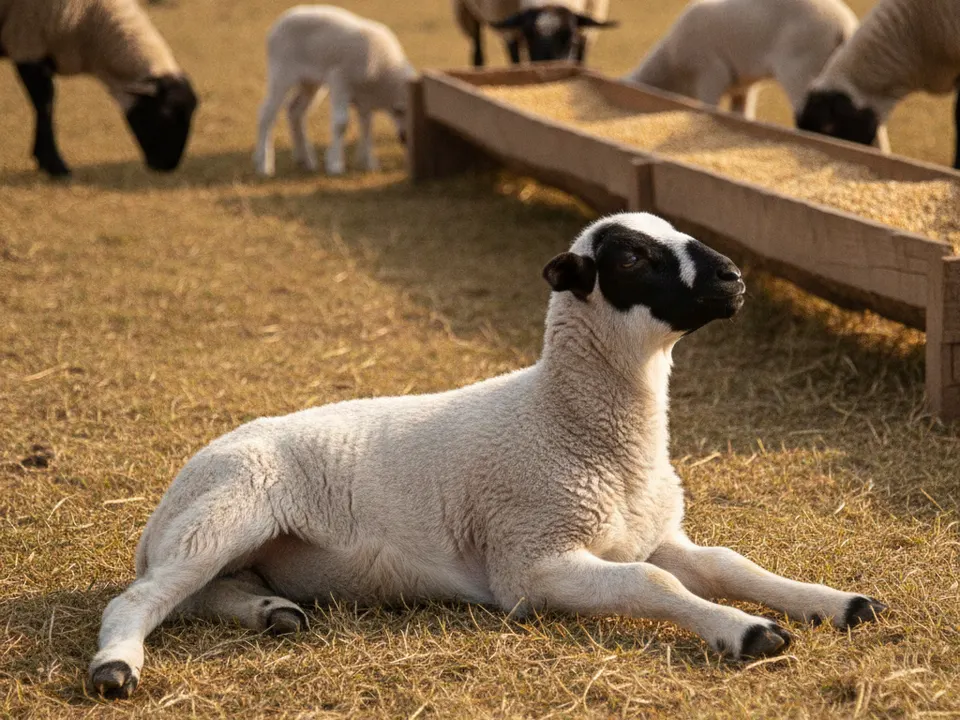
- In acute cases, sheep may be weak, reluctant to move and stand hunched, and may show pain when the right side of the belly is pressed.
As it gets worse
- Soft, cold, watery swelling under the jaw (bottle jaw), often bigger in the evening after grazing with the head down.
- Severe weakness, very white gums and eyelids, and fast breathing after slight effort.
- Marked wasting, with the backbone and hip bones sticking out.
- Swollen, fluid-filled belly in some sheep.
- Ewes may abort, fail to get pregnant, or give birth to weak lambs.
- Sudden deaths, sometimes several in a few days, in sheep that looked normal shortly before, especially in acute outbreaks or with black disease.
What to do right now
- Call your vet, County Veterinary Officer or a trusted animal health assistant early, especially if sheep are dying suddenly or several have bottle jaw.
- Move the flock off swampy ground, dam edges and riverbanks immediately, and fence off wet patches where possible.
- Stop feeding grass cut from wet valley bottoms or swamp edges; use grass from drier ground or well-dried hay instead.
- Separate weak, pale or swollen-jawed sheep into a quiet, shaded pen close to clean water and good feed.
- Handle anaemic sheep gently and avoid chasing, long walks or dipping, because very weak sheep can collapse and die from stress.
- Provide clean drinking water from troughs or tanks rather than letting sheep drink from ponds or streams.
- Give the best feed you have, including good hay, legumes or some concentrate, to support sheep that are losing condition.
- Write down which sheep are affected, deaths, where the flock grazed in the last two to three months, and every dewormer given with dates, and keep dung samples or dead sheep ready for the vet.
How it spreads
- Sheep become infected by eating grass, reeds or water plants carrying fluke cysts, mainly from swamp edges, river banks, dam and water-pan margins, flooded fields and leaking irrigation channels.
- Water snails are essential for spread, so any place where snails live, such as slow-moving or standing water, muddy hoof-marked ground and wet patches around taps or troughs, is a risk.
- Cut-and-carry grass and napier harvested from swampy ground can bring fluke cysts into a zero-grazing unit, so even housed sheep can be infected.
- Infected sheep, goats, cattle and wild animals drop fluke eggs in dung near water, which keeps the cycle going on shared grazing and watering points.
- Risk rises during and after the long and short rains, when snails multiply, and in the dry season when animals crowd around the last remaining wet areas to graze and drink.
- Buying sheep from fluke areas or moving them through wet grazing on the way to market can bring fluke onto a farm that was previously clean, if suitable snail habitat exists there.
- Fluke does not pass directly from sheep to sheep; it always needs the snail stage in between.
Could it be something else?
Barber's pole worm (haemonchosis)
Also causes pale eyelids, bottle jaw and sudden deaths, and is very common in Kenya. It often hits lambs and young sheep hard during the rains, and does not require swampy grazing. Only a lab can tell them apart reliably: a normal worm egg test (flotation) finds Haemonchus eggs, while fluke eggs need a special sedimentation test. Sheep can have both at once.
Enterotoxaemia or other clostridial disease
Causes sudden death, often in well-fed, fast-growing lambs after a change to rich feed, not in thin, pale sheep. A vet's post-mortem shows a liver tunnelled with fluke tracks in acute fluke, versus other changes in enterotoxaemia.
Trypanosomosis (nagana)
Also causes anaemia and wasting, but occurs in tsetse fly areas and often comes with fever, swollen lymph nodes and watery eyes. A blood smear examined by a vet or lab can show trypanosomes.
Johne's disease, poor teeth or underfeeding
These cause wasting, but sheep usually do not have the very pale gums and bottle jaw typical of fluke. Check teeth and feed supply, and ask the vet for faecal and blood tests if wasting continues.
How it is diagnosed
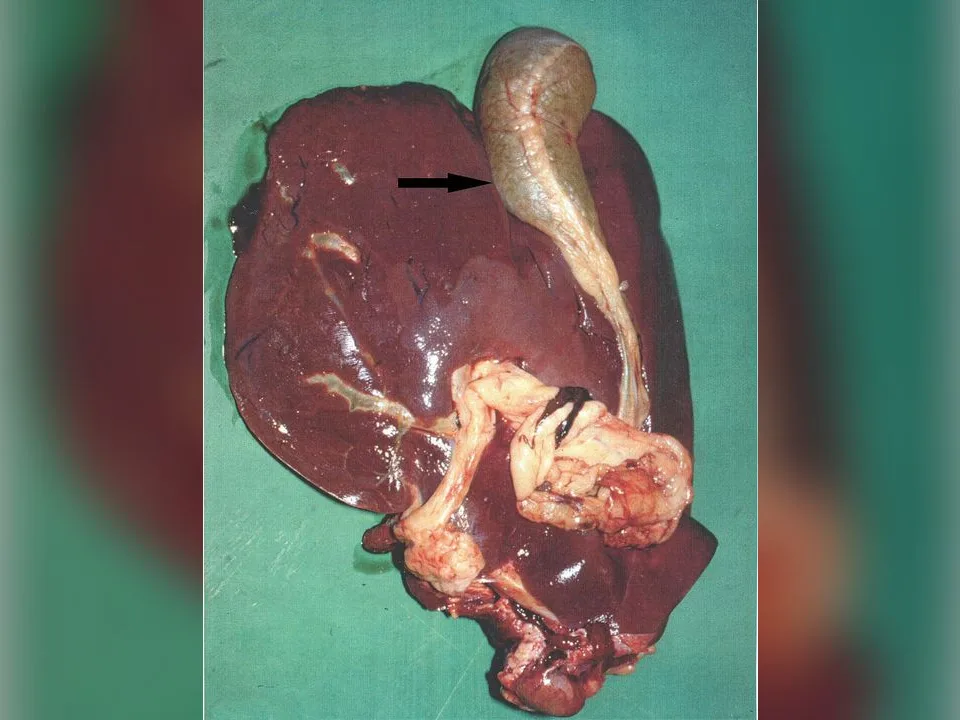
A vet will look at the flock history, grazing near water, the season, and signs such as pale membranes, bottle jaw and wasting. The most common test is a faecal sedimentation test, which looks for fluke eggs in fresh dung; ordinary worm egg counts often miss them. Eggs only appear once flukes are adults, so in acute disease the dung test may be negative even when sheep are dying. Labs may also offer a coproantigen test, which detects fluke material in dung earlier, and blood tests showing anaemia, low blood protein and raised liver enzymes. Post-mortem examination is often the quickest and surest answer: the vet sees a swollen, bleeding liver with tunnels from young flukes, or thick, hard bile ducts full of adult flukes. Slaughterhouse reports of condemned livers are also useful clues. To help, the farmer can collect fresh dung samples from several sheep in clean labelled bags kept cool, keep any recently dead sheep in a shaded, covered place for the vet, and note where the flock grazes and drinks, when signs started, recent deaths and all dewormers used with dates.
Treatment
Liver fluke is treated with drugs called flukicides, which must be chosen and prescribed by a vet. This matters because many common dewormers, including ivermectin and levamisole, do not kill fluke at all. Commonly used flukicides include triclabendazole, closantel, nitroxynil, oxyclozanide and albendazole. They differ greatly in which fluke stages they kill: triclabendazole is the main product that kills the very young migrating flukes that cause acute disease, while others such as oxyclozanide and albendazole act mainly on adult flukes. The vet will pick a product based on whether disease is acute or chronic, the time of year, and whether a combined worm and fluke product makes sense. A repeat treatment is often needed some weeks later to kill flukes that were too young the first time. Fluke resistance to triclabendazole has been reported in several countries, so the vet may check whether treatment worked with a follow-up dung test. Antibiotics do not kill flukes. Severely affected sheep also need rest, good feed and protein to rebuild blood and liver, and the vet may advise clostridial vaccination because of black disease. Flukicides have meat withdrawal periods, some of them long, and many are not permitted at all in sheep producing milk for people, so follow the label and the vet's advice before selling or slaughtering sheep or using milk. Expect chronic cases to improve slowly over weeks, while some very weak sheep may still die after treatment because of the damage already done.
Medicines must be prescribed and dosed by a vet. Always respect milk and meat withdrawal periods, and finish the full course of any antibiotic.
How Agrikima products can help
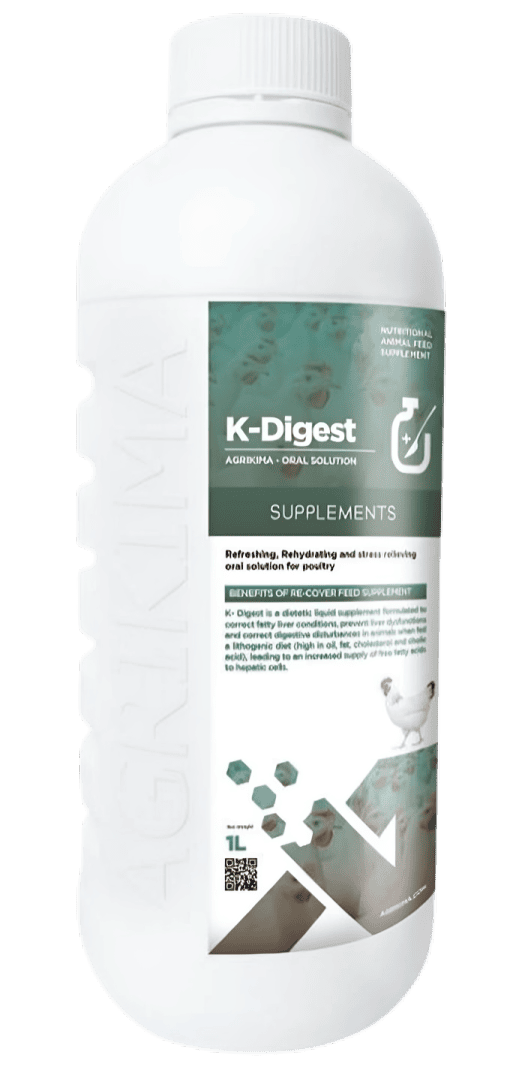
These support the animal alongside — never instead of — your vet's treatment, vaccination and good management.
Prevention
- Work with your vet or County Veterinary Officer to plan strategic fluke treatments timed to local rains and seasons, usually after the main transmission period, rather than treating at random.
- Fence off or avoid grazing swamps, dam and water-pan edges, riverbanks and leaking irrigation areas, especially during and after the rains.
- Provide clean water in troughs or tanks away from snail habitat, and repair leaking pipes, taps and troughs that create muddy, wet patches.
- Cut grass for zero-grazing from dry, upland ground, not from wet valley bottoms, or let cut grass dry well before feeding; thoroughly dried hay carries much lower risk than fresh grass.
- Drain small wet areas where practical, but avoid using chemicals to kill snails in natural water bodies because they harm fish, livestock and the environment.
- Treat newly bought sheep with a suitable flukicide on the vet's advice and keep them away from wet grazing until treated.
- Vaccinate sheep against clostridial diseases, including black disease, as part of routine flock health, following your vet's advice.
- Check pale eyelids and body condition regularly, send dung samples for fluke testing at least once or twice a year, and ask for slaughterhouse feedback on livers.
- Remember that cattle and goats sharing the grazing also carry fluke, so plan control for all grazing animals together.
Risk to people
People can get liver fluke (human fascioliasis), but not directly from touching sheep or from eating well-cooked liver or meat. People are infected the same way as sheep: by eating raw water plants, such as watercress or other greens from swamps and streams, or by drinking untreated water carrying fluke cysts. Human cases in Kenya are uncommon, but the risk is real near infected grazing. Wash and cook vegetables from wet areas, drink boiled or treated water, and do not eat livers that a meat inspector has condemned. Flukicide drugs leave residues in meat and milk, so always respect withdrawal periods before slaughtering treated sheep or using their milk.
Impact on your farm
Liver fluke costs Kenyan sheep farmers money quietly and steadily. Acute outbreaks can kill several sheep within days, a heavy loss for a smallholder with a small flock. Chronic fluke is more common and harder to notice: sheep grow slowly, take longer to reach market weight, give less milk to lambs, produce less and poorer wool, and ewes may fail to conceive, abort or raise weak lambs. Thin, anaemic sheep fetch low prices at market. Infected livers are condemned at slaughter, so butchers and slaughterhouses lose value. Farmers also spend money on repeated treatments, sometimes on the wrong dewormers that do not kill fluke, which wastes money and speeds up worm resistance. Because fluke also infects cattle and goats on shared grazing, the total loss to a mixed farm or pastoral community can be large.
Outlook and recovery
The outlook depends on how heavy the infection is and how early it is treated. Sheep with mild to moderate chronic fluke usually recover well after the right flukicide, good feeding and removal from wet grazing, although regaining weight and wool takes weeks to months. Sheep with severe anaemia, marked bottle jaw and wasting have a poorer chance, and some die even after treatment because the liver is badly scarred. In acute outbreaks, some sheep may already be beyond help, but prompt treatment with a product that kills young flukes and moving the flock off contaminated pasture can stop further deaths. Sheep do not become immune, so without prevention the problem will return each wet season.
Common questions
I deworm my sheep regularly. Why do they still have liver fluke?
Many common dewormers, such as ivermectin and levamisole, do not kill fluke at all. Others kill only adult flukes and miss the young ones in the liver. Ask your vet or agrovet to check that the product you use is labelled for liver fluke in sheep, and time treatment to your local fluke season.
My sheep never graze near the swamp. How can they have fluke?
Fluke cysts can come in on cut grass or napier harvested from wet ground, from small wet patches around leaking taps or troughs, or from drinking at streams on the way to grazing. Bought-in sheep can also arrive already infected. Look carefully for any wet spots or feed sources linked to water.
Can I eat the liver of a sheep that had fluke?
A liver full of flukes is usually condemned by meat inspectors because it is damaged and unfit to eat. Well-cooked meat and liver do not give people fluke, because people catch it from raw water plants and dirty water. Still, do not eat condemned livers, and respect drug withdrawal periods after treatment.
How often should I treat for liver fluke?
It depends on your area, rainfall and how much wet grazing your sheep use. In high-risk areas vets often advise two or more strategic treatments a year, timed after the rains when infection has been picked up. Your vet or County Veterinary Officer can help you set a plan that fits local seasons.
Do goats and cattle on my farm also need treatment?
Yes, cattle, goats and some wild animals carry the same fluke and drop eggs that keep snails infected. If only the sheep are treated, the pasture stays contaminated. Plan fluke control for all grazing animals that share land and water.
Should I poison the snails in the swamp?
Chemicals that kill snails also harm fish, other water life and sometimes livestock and people, so they are not generally recommended for natural water. Fencing off wet areas, providing trough water, careful grass cutting and well-timed treatment are safer and more practical.
A guide, not a diagnosis. This page is general information to help you recognise problems early. Always confirm with a vet or animal health worker before treating.