What it is
Bluetongue is caused by the bluetongue virus, an orbivirus. Many different types, called serotypes, exist around the world, and several circulate in East Africa. When an infected midge bites a sheep, the virus enters the blood and multiplies in the lining of small blood vessels. These damaged vessels leak fluid and bleed into the tissues. That leaking causes the swollen face, lips, ears and jaw. It also causes the red, raw areas in the mouth and the painful redness at the coronary band. The coronary band is the band of skin where the hoof meets the hairline. In severe cases, poor blood flow turns the tongue bluish-purple. The virus can also damage muscles, causing stiffness and reluctance to move, and damage the lungs, which leads to pneumonia. In pregnant ewes some strains cross to the unborn lamb. This can cause abortion or weak lambs born with brain defects. A sheep that recovers is usually protected against that serotype, but not always against other serotypes.
Which animals are most at risk
All sheep can be infected, but disease is usually most severe in improved and imported breeds and their crosses. These include wool breeds such as Merino and Corriedale, and many exotic meat breeds. Animals newly brought into an area where the virus circulates are especially at risk. Indigenous breeds such as Red Maasai and Blackhead Persian, and flocks raised for generations in the same area, often have mild or hidden infections because they have built up immunity. Young lambs from immune ewes are partly protected by antibodies in the first milk (colostrum) for their first few months. After that protection fades, they become at risk. Risk is highest in the rainy seasons and the warm weeks just after them. Flocks grazing near swamps, dams, irrigation schemes or river valleys are at higher risk, as are flocks kept in open bomas or left out overnight. In pastoral systems, sheep that share grazing and water with cattle, goats and wildlife are regularly exposed. Zero-grazed and semi-intensive flocks can also be hit when manure and wet bedding near the housing let midges breed.
Signs to look for
Early signs
- High fever: the sheep feels hot, breathes fast and stands apart from the flock with its head down.
- Loss of appetite and dullness. The sheep stops grazing or only nibbles soft feed.
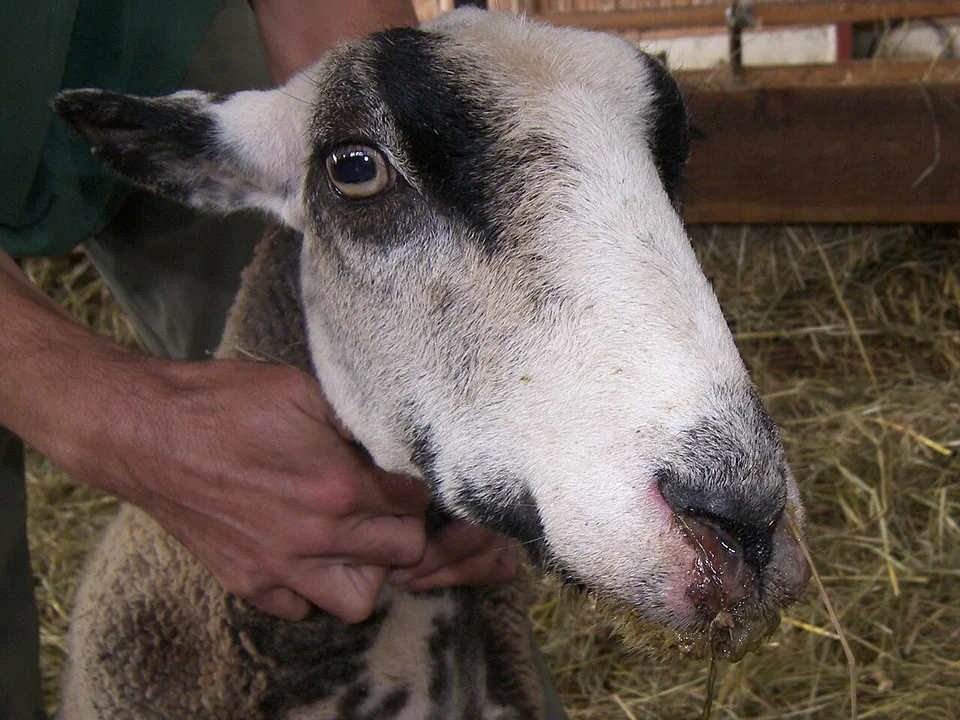
- Redness inside the mouth and on the gums, with heavy drooling and frothy saliva around the lips.
- Clear nasal discharge that soon becomes thick and crusty around the nostrils.
- Swelling of the lips, muzzle, face and ears. A soft, fluid-filled swelling may also appear under the jaw.
- Watery eyes and reddened eye linings.
- Stiffness or a slight limp, with the sheep reluctant to walk or keep up with the flock.
As it gets worse
- Raw sores and ulcers on the dental pad, gums, tongue and inside the cheeks. The mouth may smell bad.
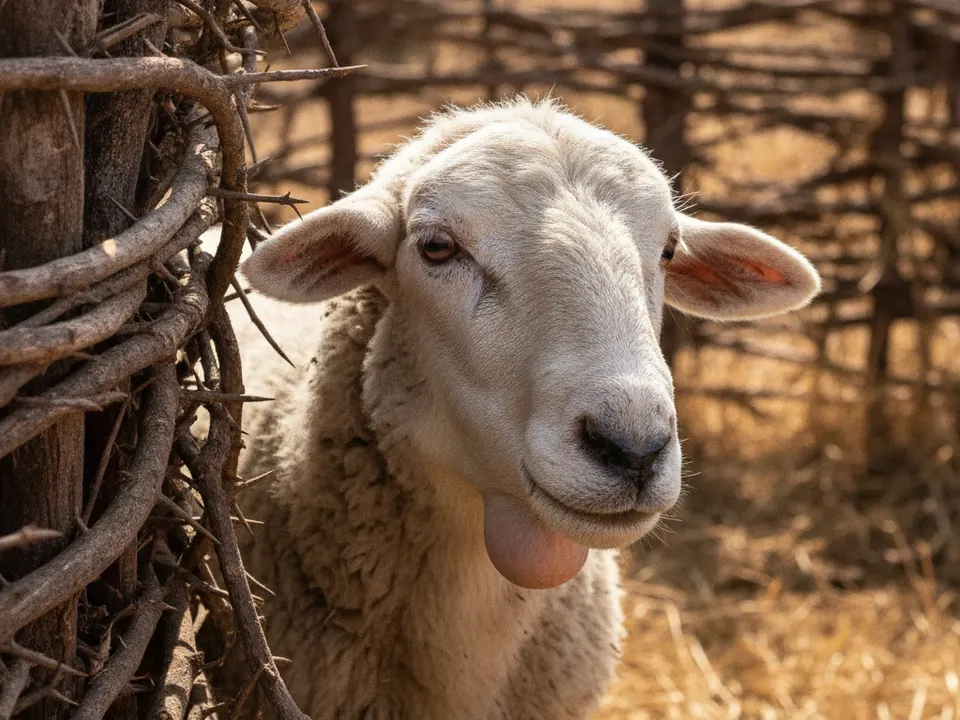
- A swollen, bluish-purple tongue that may hang out of the mouth. This is seen in only some sheep.
- Clear lameness with a red or purple band at the top of the hooves. Some sheep kneel to graze or refuse to stand.
- Marked weight loss and weakness from not eating and from muscle damage. The neck may be held twisted in some animals.
- Laboured breathing, coughing and discharge from the nose, which are signs of pneumonia.
- Diarrhoea, sometimes with blood, in a few severe cases.
- Abortion in pregnant ewes, or lambs born weak, blind or unable to stand properly.
- Weeks later, the wool may become weak and break, or fall out in patches (a 'wool break'). Hooves may develop rings or cracks as they grow out.
What to do right now
- Separate sick sheep into a calm, shaded, well-ventilated pen near water. They are not contagious to other sheep by contact, but they need rest and close watching.
- Give plenty of clean, fresh water in a shallow container they can reach easily. Sheep with sore mouths and feet often stop drinking if water is far away or hard to reach.
- Offer soft, palatable feed such as fresh soft grass, soaked hay, or a wet mash of bran or concentrate. Rough, stalky fodder hurts a sore mouth.
- Keep the whole flock under a roof or in a closed shed from late afternoon until after sunrise, when midges bite most. Avoid grazing near swamps and dams at dusk and dawn.
- Bed lame sheep on soft, dry ground or straw. Do not drive them long distances to grazing or water, because walking on sore feet and damaged muscles makes them worse.
- Keep sheep out of direct sun as much as possible. Bright sunlight can worsen the damaged skin on the face and ears, and shade helps them cope with fever.
- Do not give any medicine, including fever tablets or antibiotics, until your vet has examined the animals and prescribed treatment.
- Record which animals are sick, their signs, and daily changes. Call your vet or the County Veterinary Officer, especially if you see many sick animals, deaths, abortions, or signs in goats and cattle too.
How it spreads
- The main route is the bite of infected Culicoides midges. These are tiny biting insects, smaller than mosquitoes, often called 'no-see-ums'.
- Midges breed in wet mud, manure, rotting plant matter and the edges of ponds, dams and water troughs. Their numbers rise sharply during and after the long and short rains.
- Midges feed mostly at dusk, through the night and at dawn, especially in warm, still, humid weather. Sheep kept outside at night are bitten most.
- Cattle, goats and wild ruminants such as antelope can carry the virus, often without showing illness. Midges then carry it from these animals to sheep.
- Wind can carry midges over long distances, so infection can arrive even if you have bought no new animals.
- Reusing needles between animals can spread the virus by moving infected blood from one animal to the next.
- Some strains pass from an infected ewe to her unborn lamb, and the virus can be present in the semen of infected rams.
- Bluetongue does not spread by sheep touching, sharing feed or grazing together. Without midges, a sick sheep will not infect its flock-mates.
Could it be something else?
Orf (contagious ecthyma, sore mouth)
Orf causes thick, crusty, wart-like scabs on the lips and nostrils, mostly in young lambs and kids. It spreads by contact. Fever and face swelling are usually mild, and lameness from the coronary band is uncommon. Orf can also infect people's hands, which bluetongue cannot.
Peste des petits ruminants (PPR, goat plague)
PPR spreads quickly by contact. It often hits goats harder than sheep, with heavy eye and nose discharge, mouth sores, severe diarrhoea, pneumonia and many deaths within days. Face swelling and coronary band lameness are not typical. PPR is notifiable in Kenya, so report any suspicion to the County Veterinary Officer at once.
Foot-and-mouth disease (FMD)
FMD causes fluid-filled blisters (vesicles) that burst in the mouth, between the claws and on the teats. It often affects cattle in the same area at the same time and spreads by contact. Sheep usually show mainly sudden lameness. The face swelling of bluetongue is not a feature. FMD is notifiable, so report it.
Footrot or foot abscess
Footrot causes lameness with a foul-smelling, rotting area between the claws or under the hoof. There is no fever, face swelling or mouth sores, and the sheep usually keeps eating normally.
How it is diagnosed
A vet will suspect bluetongue from the season, the signs and the flock history. Clear pointers are a sore, swollen face, drooling, coronary band redness and lameness in the rainy season, with no sign of contact spread. The vet examines the mouth, feet, eyes and breathing and takes the temperature. Because PPR and foot-and-mouth disease can look similar and are notifiable, the vet will want to rule them out. To confirm bluetongue, blood is taken in a tube with anticoagulant (EDTA) and sent to a government or university veterinary laboratory. There, a PCR test detects the virus's genetic material and can identify the serotype. Blood tests for antibodies (ELISA) show whether the flock has been exposed. If a sheep dies, a post-mortem examination can show typical bleeding at the base of the main artery from the heart, muscle damage and fluid in the lungs. Tissue samples can then be tested. To help the vet, write down when the first sheep fell sick, and how many are sick or have died. Note their ages, breeds and pregnancy status. Record any recent purchases, the weather and rainfall, and whether your cattle or goats look unwell. Keep sick animals in a shaded pen close to where the vet can reach them.
Treatment
There is no medicine that kills the bluetongue virus. Antibiotics do not cure bluetongue, because it is a virus. Treatment aims to ease pain and fever, prevent complications and help the body fight off the infection. A vet may prescribe an anti-inflammatory painkiller, a non-steroidal anti-inflammatory drug such as meloxicam or flunixin. This reduces fever, swelling and pain, so the sheep is more willing to eat, drink and move. If the vet finds a secondary bacterial infection, such as pneumonia or badly infected mouth or foot sores, they may prescribe an antibiotic. These must be used only when truly needed, for the full course the vet sets, to limit antimicrobial resistance, which happens when bacteria stop responding to antibiotics. The vet may also advise on cleaning mouth sores, softening feed, giving fluids to dehydrated animals, and nursing lame sheep. Every drug used has a withdrawal period. This is the time you must wait after the last treatment before the animal's meat or milk can be sold or eaten. Ask your vet for the withdrawal period of each product and keep a written record. Expect recovery to be slow. Fever usually settles over several days, but mouth sores, lameness and weight loss can take weeks to improve. Badly affected sheep may need nursing for a long time. The vet will never give doses over the phone without examining the animals, and you should not copy doses from another farmer.
Medicines must be prescribed and dosed by a vet. Always respect milk and meat withdrawal periods, and finish the full course of any antibiotic.
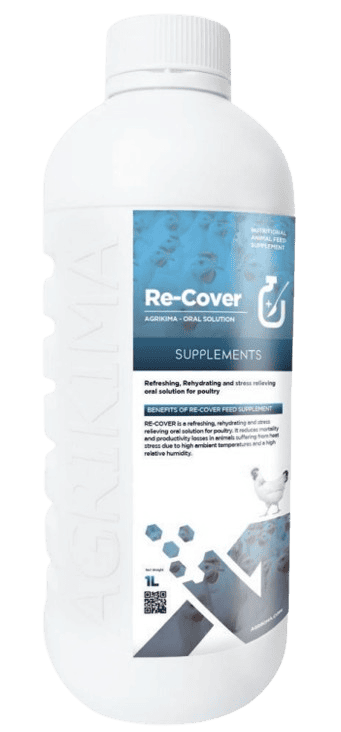
How Agrikima products can help
These support the animal alongside — never instead of — your vet's treatment, vaccination and good management.
Prevention
- Vaccination is the most effective way to protect sheep where bluetongue is common. Vaccines must match the serotypes in your area, so ask your County Veterinary Officer or private vet which vaccines are available in Kenya and when to use them.
- Vaccinate before the rains, when midges are fewest. Follow the vet's advice on pregnant ewes, because some live (modified) vaccines are not suitable in early pregnancy and can harm the unborn lamb.
- House sheep at night, or bring them into a closed shed from dusk to dawn during the rainy seasons. This greatly cuts midge bites. Fine mesh screens or insecticide-treated netting on housing can help further.
- Reduce midge breeding sites around the boma and sheds. Remove manure and wet bedding often, fix leaking troughs and pipes, fill or drain muddy patches, and keep the area around water points dry.
- Where possible, graze sheep away from swamps, dams, river banks and irrigation channels in the evening and early morning.
- Ask your vet about insect-repellent or insecticide pour-ons and sprays (usually synthetic pyrethroids) during high-risk months. These reduce bites but do not give complete protection, so use them alongside housing and vaccination.
- Be careful when buying improved or exotic sheep to bring into an area where bluetongue occurs. Buy in the dry season, vaccinate them as advised by a vet, and house them at night while their immunity builds.
- Use a new, clean needle for each animal when injecting or vaccinating, so blood is not carried from one sheep to another.
- Keep sheep well fed, with good minerals and regular deworming, so they are strong enough to recover if infected. Thin, wormy sheep suffer worse from any illness.
Impact on your farm
Bluetongue can be costly on a Kenyan sheep farm even when few animals die. Sick sheep stop eating for days to weeks and lose a lot of body condition, so they fetch much lower prices at market and take months to regain weight. Ewes may abort or give birth to weak or deformed lambs, which means a lost lambing season. Rams with fever can become temporarily infertile, which delays mating. Wool flocks suffer a wool break that ruins the fleece value for that clip. Lame sheep cannot walk to grazing and water, which is a serious problem in pastoral systems where flocks walk long distances. Deaths vary widely between outbreaks, breeds and serotypes. They can be significant in exotic or newly introduced sheep, while local flocks may lose few animals. There are also costs for vet visits, medicines, extra feed and labour for nursing. When bluetongue is confirmed in an area, some markets and buyers may restrict the movement or sale of animals, which adds to the losses.
Outlook and recovery
Many sheep, especially indigenous breeds and those with mild signs, recover fully over a few weeks with good nursing. Sheep with severe face swelling, extensive mouth sores, pneumonia or severe muscle damage have a guarded outlook. Some of these die or must be culled, and others stay thin and weak for a long time. Recovery is better when sick animals get early shade, easy access to water and soft feed, are housed away from midges, and receive vet-prescribed pain relief and treatment for complications. Recovery is worse in exotic breeds, very young or old animals, sheep already thin from poor feeding or worms, and sheep exposed to hot sun. Survivors are usually immune to that serotype, but they may still get sick from a different serotype in a later season. After recovery, expect wool breaks and hoof rings to appear, and some ewes may have reduced fertility for a while.
Common questions
My sheep's tongue is not blue. Can it still be bluetongue?
Yes. Most sheep with bluetongue never get a blue tongue. The colour change happens only in some severe cases. Far more common signs are fever, drooling, a red sore mouth, a swollen face and lips, and lameness with red skin just above the hooves. If you see these in the rainy season, suspect bluetongue and call your vet.
Will bluetongue spread from my sick sheep to the healthy ones if they stay together?
Not by touch, sharing feed or breathing the same air. The virus moves from animal to animal mainly through the bites of midges. That is why keeping the whole flock under cover from dusk to dawn matters more than separating them. We still advise moving sick sheep into a quiet, shaded pen, so they can rest, drink and eat without competition and you can watch them closely.
My goats and cattle look healthy. Can they be part of the problem?
Yes. Cattle and goats are often infected without showing much illness. They can carry the virus in their blood for weeks, and midges pick it up from them and pass it to sheep. This is one reason bluetongue keeps coming back in mixed herds. Midge control around all your animals' housing helps protect the sheep.
Can I give my sick sheep an antibiotic from the agrovet to cure it?
No antibiotic cures bluetongue, because it is caused by a virus. Antibiotics only help when a vet finds a second, bacterial infection, such as pneumonia or badly infected sores. Using them without need wastes money, leaves drug residues in meat and milk, and helps bacteria become resistant to antibiotics. Let your vet examine the animals and decide.
Is it safe to eat meat or drink milk from a sheep that had bluetongue?
Bluetongue does not infect people. Meat from an animal that has recovered and is passed fit by a meat inspector is not a risk from the virus itself. Do not slaughter very sick or feverish animals for food. If the sheep received any medicines, wait for the full withdrawal period your vet gives you before using its meat or milk.
Is there a vaccine, and when should I use it?
Vaccines against bluetongue exist, but they must match the virus types in your area, and availability in Kenya can vary. Ask your County Veterinary Officer or private vet what is available locally. Vaccination is best done before the long or short rains, when midges are fewer. Your vet will advise how to handle pregnant ewes, as some vaccines should not be given in early pregnancy.
A guide, not a diagnosis. This page is general information to help you recognise problems early. Always confirm with a vet or animal health worker before treating.