What it is
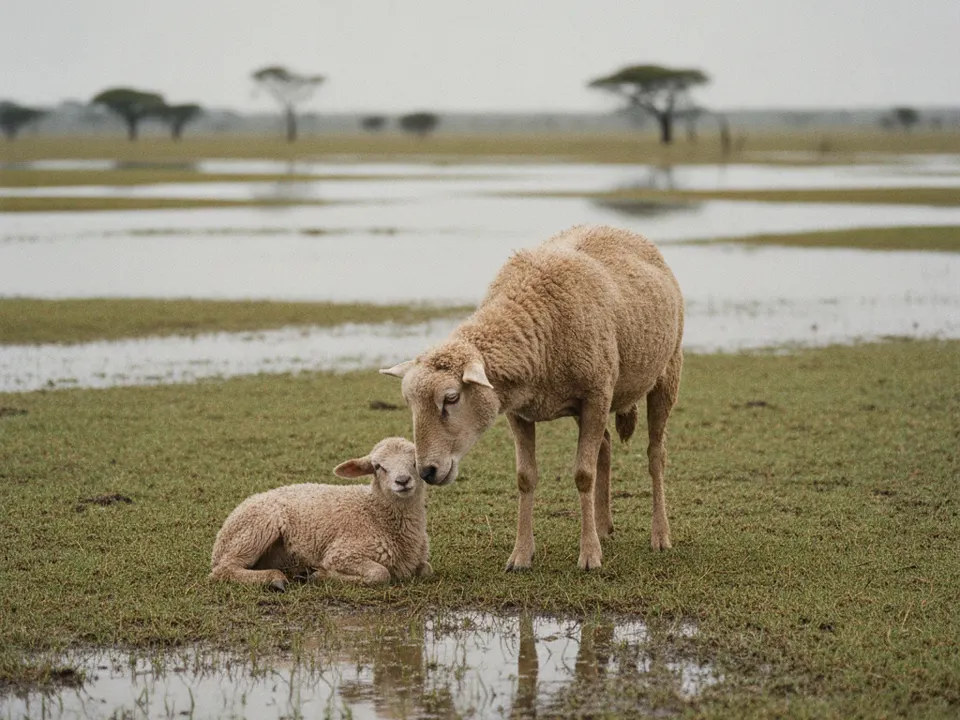
RVF is caused by the Rift Valley fever virus, a virus in the Phlebovirus group. Certain floodwater mosquitoes, mainly Aedes species, lay eggs in the soil of shallow depressions and dams. Some of these eggs already carry the virus and can survive in dry ground for years. When heavy rain floods these areas, the eggs hatch in huge numbers and the infected mosquitoes bite livestock. Other mosquitoes, such as Culex, then feed on infected animals and spread the virus further, so the outbreak grows quickly. Inside the sheep, the virus multiplies fast and attacks the liver especially hard, destroying liver cells. This is why sick animals can become jaundiced (yellow gums and eyes) and bleed easily. The virus also crosses the placenta (the organ linking mother and unborn lamb) and kills the foetus, causing abortion at any stage of pregnancy. Newborn lambs have weak defences, so the virus overwhelms them within hours to a day or two.
Which animals are most at risk
All sheep can be infected, but newborn and very young lambs are most likely to die, and pregnant ewes are most likely to abort. Exotic and improved breeds and their crosses (such as Dorper and Merino crosses) are often hit harder than local hair sheep, but local breeds are not safe. Sheep are generally more severely affected than goats, cattle and camels, although all these can be infected. Risk is highest during and shortly after very heavy long or short rains, especially in El Niño years. In Kenya, past outbreaks have hit north-eastern and coastal counties such as Garissa, Tana River and Wajir, and parts of the Rift Valley such as Baringo, but any area with flooding, dams, swamps or irrigation schemes can be at risk. Pastoral flocks that graze near floodplains and water points, and flocks that have not been vaccinated, face the greatest danger.
Signs to look for
Early signs
- High fever: the sheep feels hot, breathes fast and stands apart from the flock.
- Loss of appetite and weakness; sheep lag behind when herded.
- Newborn and young lambs stop suckling, become dull and lie down, often with a swollen or painful-looking belly.
- Pregnant ewes start aborting, often several or many in a short time, at any stage of pregnancy.
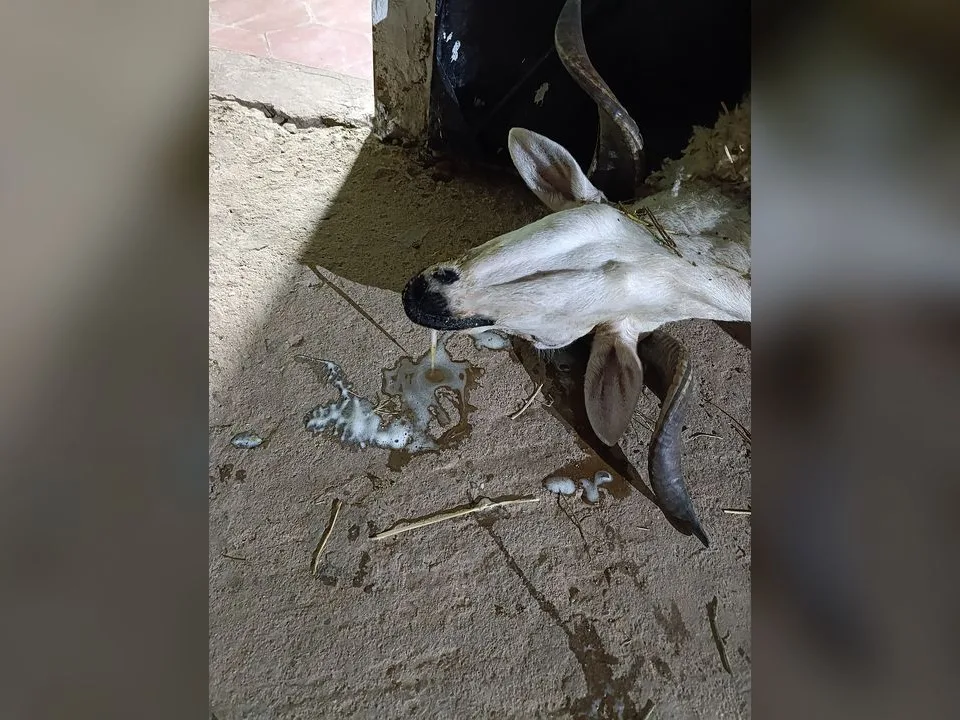
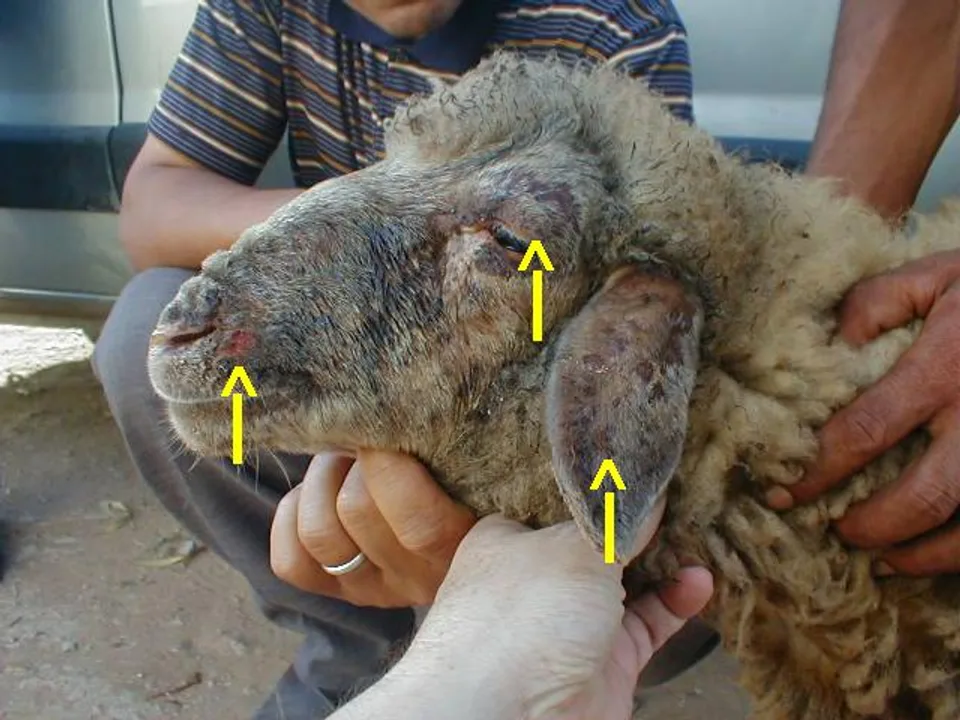
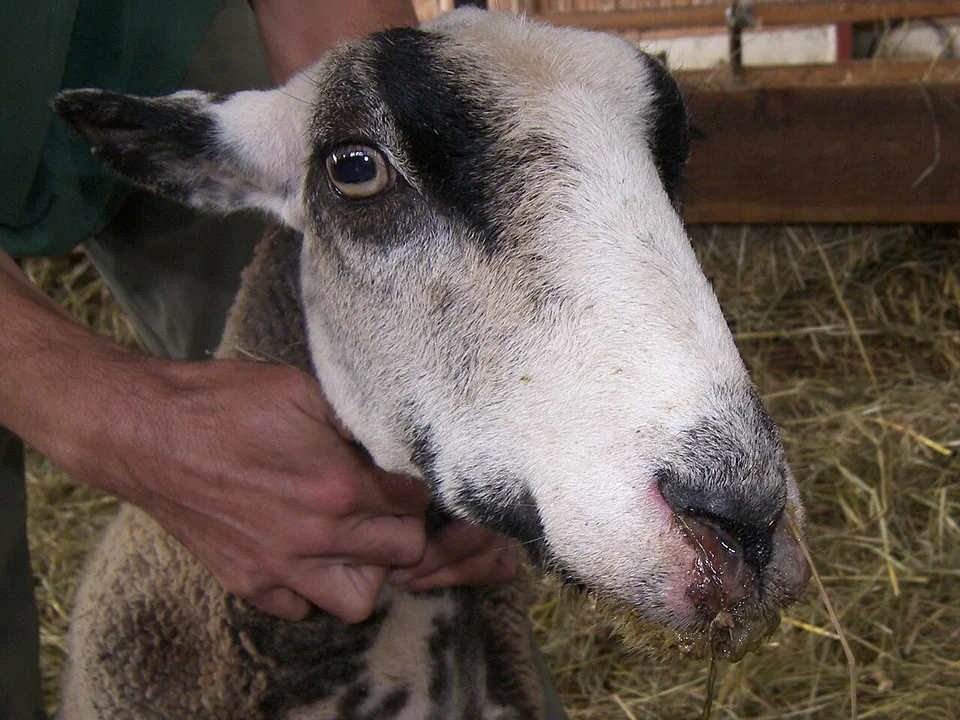
- Watery or blood-stained discharge from the nose.
- Sudden death of young lambs, sometimes within a day of first looking unwell.
As it gets worse
- Very high numbers of lamb deaths in the flock, with most young lambs affected in a bad outbreak.
- Abortion storms where a large share of pregnant ewes lose their lambs.
- Foul-smelling diarrhoea that may contain blood.
- Yellow colour (jaundice) in the gums, inside the eyelids and the whites of the eyes.
- Bleeding signs, such as blood in the dung, from the nose or small bleeding spots on the gums.
- Adult sheep that collapse, become very weak and may die, although many adults survive.
What to do right now
- Protect yourself first: do not touch aborted foetuses, afterbirth, blood or dead lambs with bare hands. Use gloves or plastic bags over your hands, and wash with soap and water afterwards.
- Call the County Veterinary Officer or your local veterinary office straight away and report the abortions and lamb deaths. The law requires this for a suspected RVF case.
- Stop all movement: do not sell, buy, slaughter, lend or move sheep, goats, cattle or camels until the vet tells you it is safe.
- Keep sick sheep apart from the rest of the flock in a shaded, dry, mosquito-reduced area, and give them clean water and good feed.
- Do not slaughter or eat sick or dead animals, and do not drink raw milk from the farm. Do not give meat from dead animals to dogs.
- Cover carcasses and foetuses and keep children, dogs and scavengers away until the veterinary team advises on safe burial or burning.
- Reduce mosquito bites for animals and people: keep animals in at dusk where possible, sleep under treated mosquito nets, and drain standing water around the homestead where you can.
- Keep a written record of dates, numbers of abortions, deaths and sick animals to share with the vet.
How it spreads
- Bites from infected Aedes mosquitoes that hatch in large numbers from flooded ground after heavy or prolonged rains.
- Bites from other mosquitoes, such as Culex, that pick up the virus from infected animals and pass it on, making the outbreak spread across a whole area.
- Direct contact with blood, aborted foetuses, afterbirth and body fluids of infected animals can spread the virus, especially to people handling them.
- Moving infected animals to markets, new grazing or other counties can carry the virus into new areas where mosquitoes then spread it.
- Reusing needles between animals during an outbreak can carry the virus from one sheep to another.
- Outbreaks in Kenya have been closely linked to El Niño rains and flooding, often following a long dry period.
Could it be something else?
Brucellosis
Brucellosis also causes abortions, but they usually happen late in pregnancy and spread slowly over months, not as a sudden storm after floods. It does not cause mass deaths of newborn lambs or high fever in adults. Both are dangerous to people, so handle all abortions with gloves.
Bluetongue
Bluetongue also follows the rains because it is spread by biting midges. But it typically causes a swollen face and lips, sores in the mouth, a dark or bluish tongue, lameness and pneumonia. Mass deaths of newborn lambs and jaundice are not typical.
Nairobi sheep disease
This is spread by the brown ear tick, not mosquitoes, and often follows moving sheep into tick-infested areas. It causes high fever and severe, often bloody diarrhoea in adults, and you will usually find many ticks. Abortions can occur, but the link to flooding and mass lamb deaths is weaker.
Enterotoxaemia (pulpy kidney)
Enterotoxaemia kills fast-growing lambs suddenly, often after a change to lush feed. It does not cause abortions in ewes or fever in adults, and it is not linked to mosquitoes. It is prevented by clostridial vaccines.
How it is diagnosed
A vet will suspect RVF from the pattern: heavy rains or floods, many mosquitoes, abortions in many ewes and many young lambs dying, sometimes along with sick cattle, goats or camels and fever cases in people nearby. Confirmation needs laboratory tests. The vet or veterinary team, wearing protective clothing, will take blood from sick and recovered animals and samples such as liver from dead lambs or aborted foetuses. Laboratories, such as the Central Veterinary Laboratories at Kabete, test for the virus itself (for example by PCR, a test that detects the virus's genetic material) or for antibodies that show recent infection (for example by ELISA). At post-mortem the liver of young lambs is often enlarged, soft, yellowish and spotted with dead areas, but the vet should do this, not the farmer. To help, write down how many ewes have aborted, how many lambs have died and when, which animals are sick, whether you have vaccinated, and recent rain and mosquito activity. Keep carcasses and foetuses covered and away from dogs and children until the vet arrives, and do not open them yourself.
Treatment
There is no medicine that kills the RVF virus in animals. Antibiotics do not cure it, because it is a virus, not a bacterium. Treatment is supportive: keeping sick animals rested, shaded, watered and fed so their bodies can fight the infection. A vet may sometimes prescribe medicines to reduce fever or antibiotics to control secondary bacterial infections in weak animals, but this is a vet decision only. Using antibiotics without need adds to antimicrobial resistance, where germs stop responding to drugs. Any drugs used will have milk and meat withdrawal periods, the time you must wait before milk or meat can be used, and these must be followed. In practice, the veterinary authorities focus on controlling the outbreak: confirming the disease, placing quarantine, stopping livestock movement and markets, supervising safe disposal of carcasses and aborted material, and advising on vaccination of animals not yet affected. Expect that many sick lambs will die despite care, while many adult sheep will recover over a few days to weeks. Recovered animals usually develop strong, long-lasting immunity.
Medicines must be prescribed and dosed by a vet. Always respect milk and meat withdrawal periods, and finish the full course of any antibiotic.
Prevention
- Vaccinate your flock before the rains when the government or your vet issues an early warning, rather than waiting for an outbreak. In Kenya, RVF vaccine is produced locally by KEVEVAPI and is available through veterinary services and agrovets.
- Ask your vet which vaccine to use and when. Some live vaccines can cause abortion or birth defects if given to pregnant ewes, so timing around the breeding season matters.
- Plan breeding so that ewes are not heavily pregnant and lambs are not newborn at the height of the expected long or short rains, where your system allows.
- Follow Kenya Meteorological Department and county early warnings about El Niño and heavy rains, and act on vaccination advice early.
- Reduce mosquito contact: avoid grazing near flooded areas and swamps at dawn and dusk, house animals at night where possible, and drain standing water around the homestead.
- Use a new or sterilised needle for each animal during any vaccination or treatment, especially when RVF is suspected in the area.
- Do not buy or bring in animals from areas with an outbreak, and respect quarantine and movement bans.
- Handle all abortions and births with gloves, and safely bury or burn afterbirth and dead foetuses away from water sources.
Risk to people
Rift Valley fever is a zoonosis, meaning it spreads from animals to people. People mostly get infected by touching blood, body fluids or tissues of infected animals, for example when assisting a birth or abortion, handling aborted foetuses, slaughtering or skinning sick animals, or cutting up meat. Drinking raw milk and being bitten by infected mosquitoes are also risks. Herders, butchers, slaughterhouse workers, vets and farm families are most exposed. Most infected people have a flu-like illness with fever, headache, muscle and joint pain, and recover within about a week. A small number develop serious disease, which can include eye damage and loss of vision, brain inflammation, or bleeding that can be fatal. Precautions: wear gloves and cover cuts when handling animals, birth materials or carcasses; never slaughter or eat sick or dead animals; boil all milk; cook meat thoroughly; sleep under treated mosquito nets and use repellents; and wash well with soap and water. Anyone on the farm who develops fever after contact with sick animals should go to a health facility quickly and tell the health worker about the animal illness.
Impact on your farm
RVF can be devastating for a Kenyan sheep farmer. In one season a flock can lose most of its new lambs and a large share of pregnancies, which wipes out a year's income and the young stock needed to grow the flock. Sick adults lose weight and condition, and ewes that abort may be slow to breed again. Quarantines close livestock markets and slaughter slabs, so even healthy animals cannot be sold, and prices crash in affected areas. Export trade in live animals and meat from the region can be stopped for months. Families also face the cost of human illness and lost work time, because the disease spreads to people who care for animals. For pastoral communities whose wealth is in their herds, an RVF outbreak can push households into hardship for years.
Outlook and recovery
For newborn and very young lambs the outlook is poor; in a bad outbreak most may die, often within a day or two of falling ill. Pregnant ewes that are infected very often abort. Adult sheep have a better chance: many recover with rest, shade, water and good feeding, though some die, especially exotic breeds and weak animals. Recovered sheep usually become immune for life and pass some protection to their lambs through colostrum (first milk). The biggest factors in how a flock fares are whether it was vaccinated before the rains, the age and pregnancy status of the animals, breed, general body condition, and how quickly the outbreak is reported and controlled in the area.
Common questions
A ewe aborted and her lamb looks fine to cut up. Can we eat the meat of sheep that died?
No. Meat, blood and organs of sheep that died or were sick during a suspected RVF outbreak can infect the people who handle and cut them. Do not slaughter, skin, sell or eat them, and do not feed them to dogs. Keep the carcass covered and let the veterinary team advise on safe burial or burning.
Is it safe to drink milk from my animals during an outbreak?
Raw milk from infected animals can carry the virus. If you must use milk from animals that look healthy, boil it thoroughly first. Milk from sick animals should not be used at all. Follow any instructions from the veterinary and public health officers in your county.
Can I vaccinate my pregnant ewes?
Talk to your vet first. Some RVF vaccines used in Kenya are live vaccines, and these can cause abortion or birth defects in pregnant ewes. The best approach is to vaccinate the flock early, before breeding and before the expected heavy rains, so pregnant ewes are already protected. Your vet will advise on the right product and timing for your flock.
Why do I have to report it? I am afraid my animals will be put under quarantine.
RVF is a notifiable disease, so Kenyan law requires anyone who suspects it to report to the County Veterinary Officer or the Directorate of Veterinary Services. Reporting early helps the authorities confirm the disease, warn neighbours, protect people's health and stop it spreading. Quarantine and movement restrictions mean no buying, selling or moving of animals in or out of the affected area for a period. They are hard, but they shorten the outbreak and protect your community and your future market.
Will Rift Valley fever come back on my farm next year?
RVF tends to return in waves every several years, usually after very heavy rains and floods, because infected mosquito eggs can survive in dry soil for a long time. It is not usually seen every year. Sheep that survived are generally immune, but new lambs and bought-in animals are not. Keep vaccinating as your vet advises and watch for weather warnings before each rainy season.
Can antibiotics or fever medicines from the agrovet cure my sheep?
No medicine cures the RVF virus. Antibiotics only work on bacteria, so they will not stop the disease, and using them without need wastes money and adds to drug resistance. Only a vet should decide whether any medicine is needed for comfort or secondary infections, and any drug used will have withdrawal periods for milk and meat. Good nursing, shade, water and feed, plus reporting and controlling the outbreak, matter most.
A guide, not a diagnosis. This page is general information to help you recognise problems early. Always confirm with a vet or animal health worker before treating.