What keeps them healthy
Good health in sheep comes from a few basics working together. The first is good nutrition: enough grass, hay or browse, clean water at all times, and the right minerals, especially salt, calcium and phosphorus. The rumen (the large first stomach where microbes break down grass) needs a steady supply of fibre. That is why healthy sheep spend many hours a day grazing and many more chewing cud. Cud is food brought back up from the rumen to be chewed again. The second basic is control of parasites. Internal worms, especially the blood-sucking barber's pole worm (Haemonchus), and external parasites such as ticks, lice, keds and mange mites, steal blood and nutrients. The third is protection from infectious disease through vaccination, quarantine of new animals and clean housing. The fourth is low stress: dry, well-ventilated shelter, shade, gentle handling and not overcrowding. When all these are in place, the sheep's immune system can fight off the germs it meets every day, the rumen works smoothly, and the animal grows, breeds, lambs and produces wool or meat well.
What to keep an eye on
Every sheep benefits from a daily check, but some need closer attention. Young lambs in their first weeks are fragile and can go downhill within hours from cold, hunger, diarrhoea or pneumonia. Weaned lambs and young sheep under a year are most affected by worms because their immunity is still building. Pregnant ewes in late pregnancy and ewes in early lactation have high nutrient needs and are at risk of pregnancy toxaemia and milk fever. Rams can lose condition during the breeding season. Wool breeds such as Merino, Corriedale and Hampshire Down are more prone to heat stress and fly strike when fleece is long and dirty, while hair sheep such as Red Maasai and Dorper tend to cope better with heat; Red Maasai are known for relatively good tolerance of worms, though they are not immune. Flocks on wet, heavily grazed pasture during the rains, zero-grazed flocks fed cut grass from wet areas, and pastoral flocks that mix at watering points and markets all face extra risks.
Normal vs warning signs
Signs of good health
- The sheep stays with the flock, follows the others, and moves away calmly but quickly when approached; sheep are herd animals and a sheep alone is a warning sign.
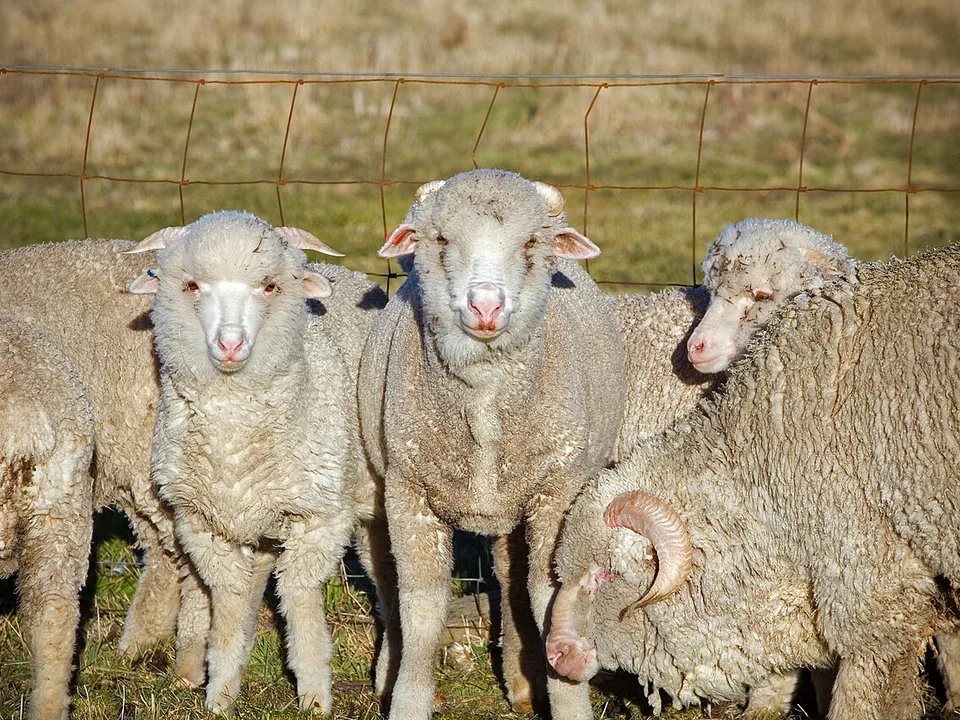
- Eyes are bright, clear and alert, with no tears, crust or cloudiness, and ears are held up and move in response to sounds.
- The inside of the lower eyelid is pink to red, which shows enough red blood cells; check this by gently pulling down the lower lid.
- Rectal temperature is between about 38.5 and 40 °C; it can sit near the top of this range on a hot afternoon or after the sheep has been chased.
- Droppings are firm, dark, separate pellets that hold their shape; on very lush pasture they may clump a little, but there should be no watery scour or dirty tail.
- The sheep chews cud for several hours each day, often while lying down, and you can see a rhythmic chewing and occasional swallowing and bringing up of the next cud.
- The left side of the belly looks well filled but not tight or drum-like, and if you press your fist there you can feel the rumen move roughly one to two times a minute.
- Breathing at rest is quiet and even, roughly 12 to 20 breaths a minute in cool weather, with no cough, nasal discharge or open-mouth breathing.
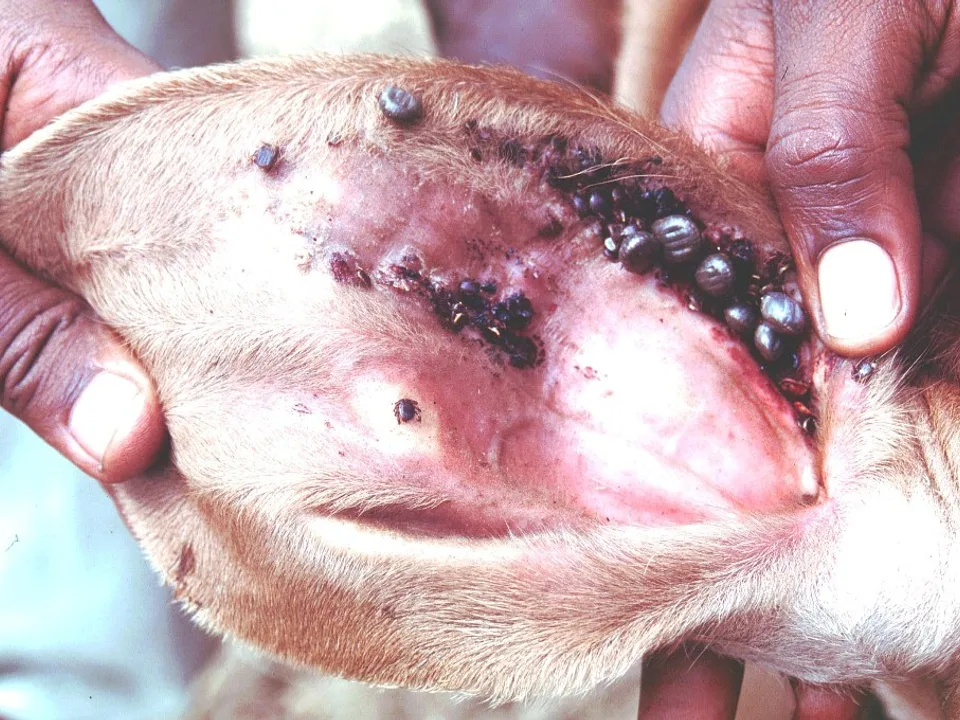
- Fleece is even, dry and without bare patches, or the hair coat is smooth and shiny; the skin underneath is pink and clean, with no lice, keds, ticks or scabs.
- The sheep walks evenly on all four feet, with no limping, and the feet smell clean, not rotten; the ewe's udder is soft, even and not hot or lumpy.
First signs something is wrong
- A sheep standing alone, lagging behind the flock, or lying down when others are grazing is often the first sign of illness.
- Not eating, not chewing cud, or a dull, droopy head and ears can mean fever, pain or a rumen problem.
- Pale pink or white eyelids point to anaemia, most often from barber's pole worm in Kenya, and need prompt action.
- A temperature above about 40.5 °C suggests fever from infection, while a temperature below about 38 °C in a weak sheep is serious and can mean shock or a dying animal.
- Soft, sloppy or watery droppings, a dirty back end, or no droppings at all show gut trouble.
- A swollen left side, grinding teeth, kicking at the belly or straining are signs of pain or bloat.
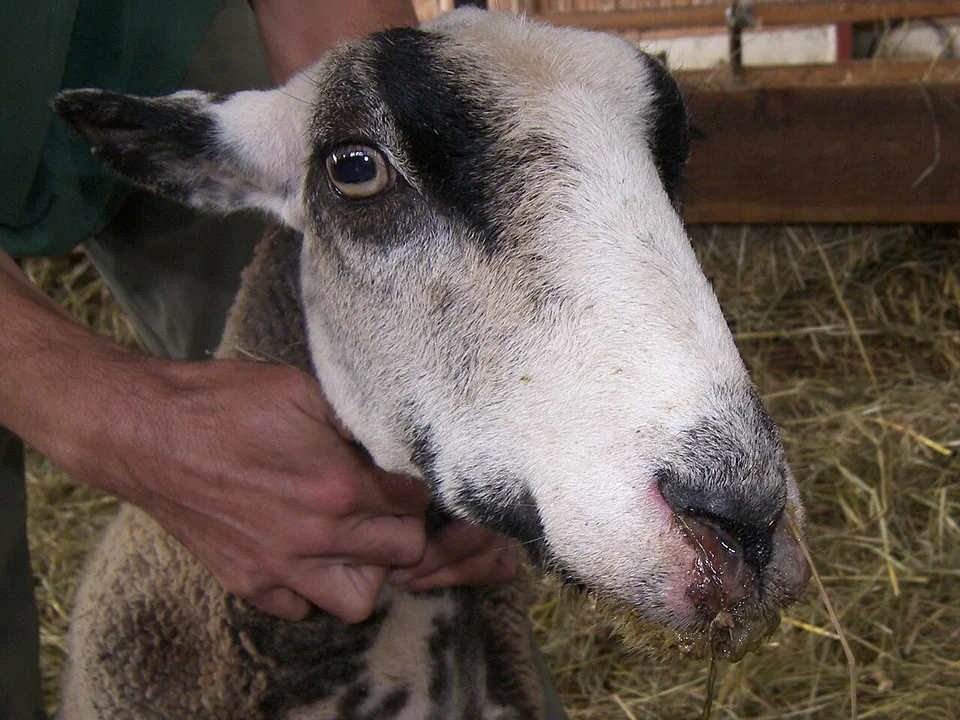
- Fast or laboured breathing at rest in cool weather, coughing, or a thick discharge from the nose suggests pneumonia.
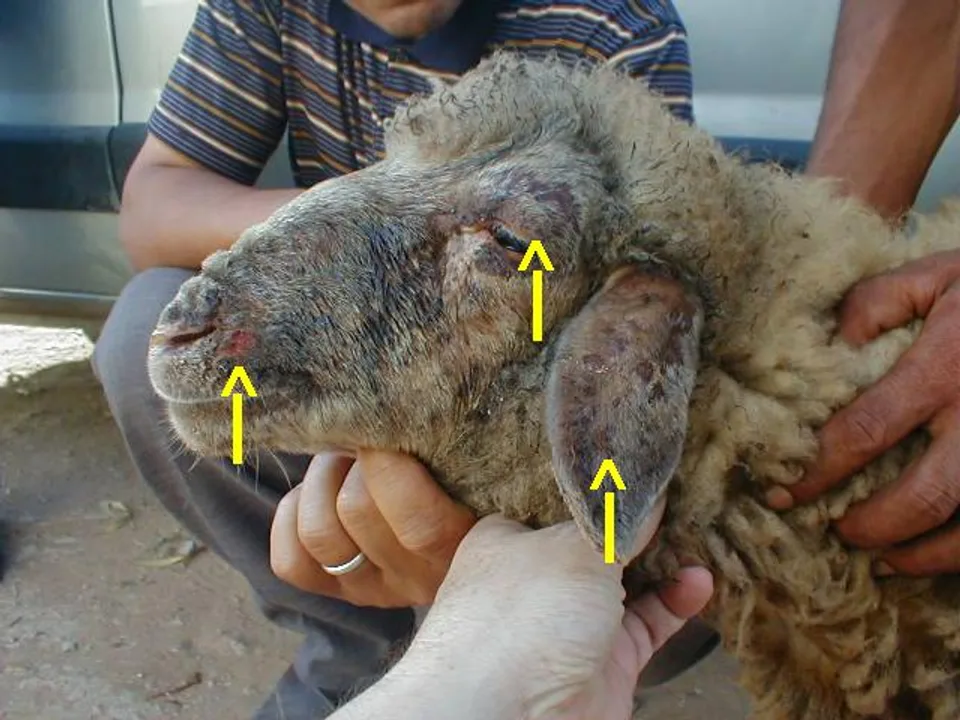
- Bottle jaw (a soft swelling under the jaw), limping, wool loss, constant scratching, or a swollen, hot udder all need closer checking.
Daily routine
- Watch the whole flock every morning and evening for at least a few minutes, looking for any sheep that is alone, dull, not eating or not chewing cud.
- Give every sheep access to clean, fresh water all day, and check troughs and containers daily for dirt, algae or dead insects.
- Provide shade and shelter that is dry, clean and well ventilated, with enough space so sheep are not crowded.
- Make sure salt and a sheep mineral lick or mineral mix are available, especially in the dry season and for pregnant and milking ewes.
- Keep a simple health notebook with each sheep's tag, weight or condition score, vaccinations, deworming dates, lambings and any illness.
- Separate any sheep that looks unwell into a clean, quiet pen with water, shade and good feed, and check its temperature and eyelids.
- Keep newly bought sheep apart from your flock for at least two to three weeks and watch them closely before mixing.
- Call your vet or animal health officer early if a sheep has a fever, pale eyelids, scour, breathing trouble, or stops eating, rather than waiting until it goes down.
Common risks
- Good health spreads through a flock when the whole group is fed, watered and managed well, because sheep share pasture, water troughs and housing.
- Disease and parasites usually enter a healthy flock through newly bought sheep, borrowed rams, or animals mixing at markets, shared grazing and communal watering points.
- Contaminated pasture is a major trigger: worm eggs passed in dung hatch into larvae on wet grass, so worm problems often rise during and just after the long and short rains.
- Sudden changes in feed, such as moving hungry sheep onto lush grass or giving too much grain, upset the rumen microbes and can trigger bloat, acidosis or enterotoxaemia (a clostridial toxin disease).
- Wet, dirty, crowded or poorly ventilated housing encourages foot rot, pneumonia and skin problems, while very hot weather without shade causes heat stress.
- Long dry seasons with poor pasture weaken body condition and immunity, making sheep more likely to fall sick when the rains return.
Often mistaken for illness
Normal heat panting
On hot afternoons, especially in wool breeds, healthy sheep may breathe fast with their mouths slightly open and seek shade. If they recover within an hour or so once in shade with water, eat normally and have a normal temperature in the cool of the evening, this is normal. Fast breathing in cool weather, or a sheep that does not settle in shade, is not normal.
Resting and cud chewing
Healthy sheep lie down for long periods to chew cud, often in a group. They lie on their chest with legs tucked, heads up, chewing, and get up quickly when disturbed. A sick sheep lies apart from the others, may lie flat on its side, does not chew, and is slow or unwilling to rise.
Soft droppings on fresh pasture
When sheep move onto lush rain-season grass, droppings often become softer and clumped for a few days while the rumen adjusts. The sheep stays bright and keeps eating. Watery scour, a strong smell, blood or mucus, a dull sheep, or soft dung lasting more than a few days needs investigating, often for worms or coccidiosis.
A ewe about to lamb
A ewe close to lambing may separate herself, paw the ground, lie down and get up, and eat less. This is normal behaviour. If she strains for more than about 30 minutes to an hour without progress, seems weak, wobbly or blind, or stops eating in late pregnancy before any signs of labour, call the vet, as this can be a difficult birth or pregnancy toxaemia.
Doing a health check
A home health check takes a few minutes per sheep and is the best tool you have. Start by watching the flock from a distance before you disturb them: who is alone, who is not eating, who is lying differently, who is limping or coughing. Then catch and gently restrain one sheep at a time, against a wall or in a small pen. Temperature: use a digital thermometer, lubricate the tip with petroleum jelly or a little cooking oil, lift the tail and insert it gently into the rectum about 3–5 cm, angled so the tip touches the side wall. Hold it until it beeps or for about one minute. Normal is about 38.5–40 °C. Take temperatures in the cool of the morning if you can, and check a few healthy sheep for comparison. Clean the thermometer with soap and water and disinfectant after each animal. Eyelids: pull down the lower eyelid with your thumb and look at the colour. Red to pink is good; pale pink or white means anaemia. Extension officers in some areas use the FAMACHA card, a colour chart for this check, and it helps decide which sheep need deworming. Body condition: feel along the backbone behind the last rib. If the spine is sharp and you can easily feel between the bones, the sheep is thin; if you can barely feel the bones under a firm pad, it is in good condition; if you cannot feel them at all, it may be too fat. Most farmers use a 1 to 5 scale, aiming for about 2.5 to 3.5 depending on stage of production. Also check: rumen fill and movement on the left flank, breathing rate by counting flank movements for one minute, nose and eyes for discharge, the jaw for bottle jaw swelling, mouth and lips for scabs, skin and fleece for parasites, the udder and teats, the feet between the claws for heat, swelling or a rotten smell, and the back end for scour. Write down the sheep's ear tag or name, the date and what you found. These records help your vet a great deal if a problem appears later.
Routine vet care
Routine vet care keeps a healthy flock healthy. A good relationship with your local vet or County veterinary staff means faster help when something goes wrong. Typical routine care includes a vaccination plan suited to your area. This often covers clostridial diseases such as enterotoxaemia (pulpy kidney) and tetanus, and sheep and goat pox. It also includes PPR (peste des petits ruminants, often called goat plague), usually given through government campaigns. Rift Valley fever vaccination may be advised by the authorities when there is a risk of outbreaks after heavy rains. Other vaccines may be recommended depending on local disease risk. The vet can help you plan deworming. Instead of deworming every sheep on a fixed calendar, many vets now advise targeted deworming: treat sheep with pale eyelids, poor condition or scour, and use faecal egg counts (a lab test counting worm eggs in dung) to check whether a dewormer still works. This slows down dewormer resistance, which is a growing problem in Kenya. The vet can also advise on tick, lice and mange control, foot trimming and foot baths, castration and tail docking where practised, ram fertility checks before mating, and feeding plans for pregnant ewes. All medicines, including dewormers, acaricides and antibiotics, should be used as directed by a vet or on the label. Respect the milk and meat withdrawal periods, the time after treatment before milk or meat is safe to use or sell. Antibiotics should only be used when a vet decides they are needed, to avoid antimicrobial resistance, where germs stop responding to drugs.
How Agrikima products can help
These support the animal alongside — never instead of — your vet's treatment, vaccination and good management.

DCP-18
As part of a balanced mineral programme, DCP-18 can help supply calcium and phosphorus for strong bones, growth and milk production, especially for growing lambs and pregnant or milking ewes on dry-season or phosphorus-poor pasture. Use it alongside salt, good forage and vet or extension advice on the right mineral mix for sheep.
View product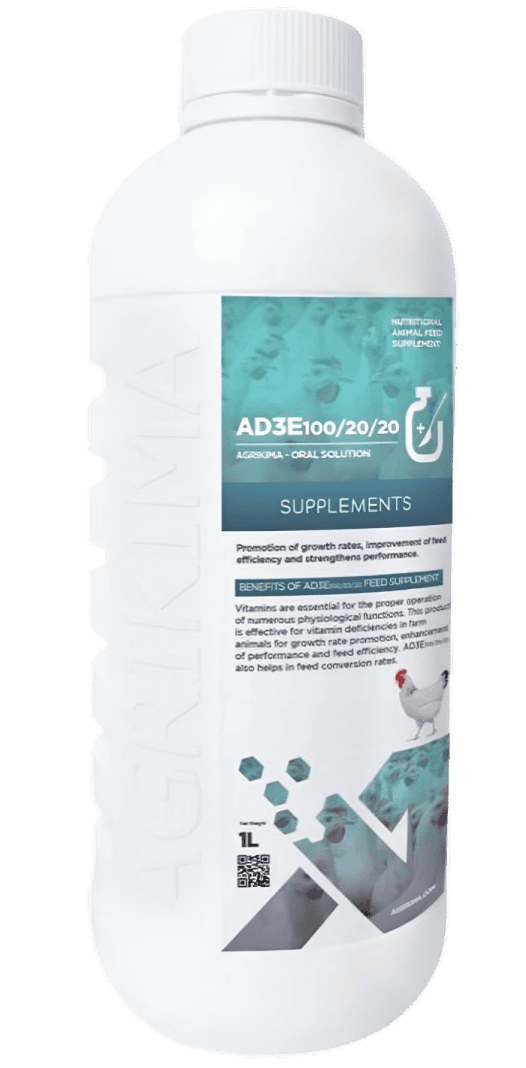
AD3E 100/20/20
During long dry seasons, or when sheep are housed on dry feed with little green grass, AD3E can help prevent vitamin A, D3 and E shortages that affect fertility, lamb vigour and stiff lamb problems. Use it as a nutritional support under vet or extension guidance, not as a replacement for good forage.
View productKeeping them healthy
- Follow a vaccination programme agreed with your vet or County Veterinary Officer, and take part in government PPR and other campaigns when they reach your area.
- Control worms by rotating pastures, avoiding grazing very short grass in wet seasons, checking eyelids regularly, and deworming based on need and vet advice rather than guesswork.
- Control ticks, lice, keds and mange with regular checks and correct use of acaricides, following label withdrawal periods.
- Feed enough good-quality forage all year, conserve hay or silage for the dry season, and provide salt and minerals so sheep do not develop deficiencies.
- Make feed changes gradually over about one to two weeks, especially when moving to lush pasture or introducing grain or concentrates.
- Keep housing raised, dry and well ventilated, remove wet bedding and dung often, and avoid overcrowding to reduce foot rot, pneumonia and skin disease.
- Quarantine new animals, avoid sharing rams with unknown flocks, and limit contact with other flocks at markets and communal watering points where possible.
- Trim feet when needed, shear wool breeds at the right time to reduce heat stress and fly strike, and handle sheep calmly to reduce stress.
Risk to people
Healthy-looking sheep can still carry some germs that infect people, such as brucellosis and Q fever (spread mainly through birth fluids, afterbirths and raw milk), and orf (scabby mouth), which can cause sores on hands. Wash your hands with soap after handling sheep, wear gloves when helping at lambing or handling afterbirths, bury or burn afterbirths and aborted lambs, and boil milk before drinking it. Always respect withdrawal periods after any treatment so drug residues do not end up in milk or meat.
Impact on your farm
A healthy flock is a profitable flock. Sheep that are well fed, free of heavy worm burdens and protected by vaccination grow faster, reach market weight sooner and fetch better prices. Healthy ewes conceive more readily, have fewer abortions, and raise stronger lambs with more milk. On many Kenyan smallholder farms sheep are a savings account, sold for school fees, emergencies or festive seasons. Losing even one or two animals to a preventable problem is a real financial blow. Daily checks cost nothing but a few minutes, and catching a problem early usually means cheaper treatment, less weight loss and fewer deaths. Poor health shows up as slow growth, thin ewes, lamb deaths, lower wool quality, extra spending on drugs and vet visits, and sheep sold cheaply because they look poor. Good records and a routine health plan also make it easier to sell breeding stock and to show buyers your flock is well managed.
Long-term health
A flock that is checked daily, well fed, given clean water, vaccinated and protected from parasites can stay productive for many years, and most problems that do arise can be caught early. No management system prevents every illness, and weather, local disease outbreaks and dewormer resistance can still cause setbacks. Farmers who know what normal looks like for their own sheep usually notice trouble a day or two sooner. That head start often makes the difference between a quick recovery and a lost animal. Building a good relationship with your local vet and keeping simple records will improve the outlook for your flock over time.
Common questions
How often should I check my sheep?
Look at the whole flock at least twice a day, ideally in the morning before they go out and in the evening when they come back. This only takes a few minutes. Do a closer hands-on check of each sheep, including eyelids, body condition and feet, about every two to four weeks. Check more often during the rains when worms are high, in late pregnancy, and in young lambs.
What temperature means my sheep has a fever?
A normal sheep's rectal temperature is about 38.5 to 40 °C. A reading above about 40.5 °C, especially in a sheep that is dull or not eating, usually means fever and you should call your vet. Remember that a sheep that has been chased or is standing in hot sun can read a little high, so let it rest in shade and recheck. A low reading below about 38 °C in a weak sheep is an emergency.
How do I know if my sheep is too thin or just a small breed?
Breed and size are different from condition. A small Red Maasai can be in excellent condition while a big Dorper can be thin. Feel along the backbone just behind the ribs. If the bones feel sharp and you can push your fingers easily between them, the sheep is thin whatever its size. If there is a firm, smooth cover of flesh over the bones, it is in good condition. Thin sheep should be checked for worms, teeth problems and poor feeding.
Why is one of my sheep standing alone?
Sheep feel safe in a group, so a sheep standing apart is often unwell, in pain, or about to lamb. Check its temperature, eyelid colour, droppings, breathing and feet, and see whether it is eating and chewing cud. If it is a ewe close to lambing, watch her closely. If you cannot find an obvious reason, or she does not rejoin the flock within a few hours, call your vet.
Should I deworm all my sheep every few months?
Routine blanket deworming of every sheep on a fixed schedule is no longer recommended by many vets, because it speeds up dewormer resistance. A better approach is to check eyelids, body condition and droppings, deworm the sheep that need it, and ask your vet about faecal egg counts. Your vet may still advise strategic treatments at certain times, such as before or after the rains. Always follow label withdrawal periods.
Do healthy sheep really need minerals and vitamins?
Yes. Many Kenyan pastures, especially in the dry season, are low in phosphorus and other minerals, and sheep on dry or poor feed can also run short of vitamins such as A and E. Shortages show up slowly as poor growth, weak lambs, poor fertility and chewing on bones or soil. Salt and a good sheep mineral lick or mix should always be available. Ask your vet or extension officer what suits your area. Avoid mineral mixes made for cattle or poultry unless a vet confirms they are safe for sheep, because sheep are sensitive to too much copper.
A guide, not a diagnosis. This page is general information to help you recognise problems early. Always confirm with a vet or animal health worker before treating.