What keeps them healthy
Good health in cattle rests on a few basics working together. The first is good feed and clean water. Cattle are ruminants, which means they have a four-part stomach. The biggest part, the rumen, is a large fermentation tank full of helpful microbes that break down grass, napier and hay. The cow keeps the rumen healthy by chewing the cud. She brings food back up, chews it again and mixes it with saliva, which neutralises acid. A steady supply of fibre, enough energy and protein, minerals such as calcium, phosphorus, salt and trace elements, and plenty of clean water keep the rumen and the whole body working. The second basic is protection from disease: vaccination, tick and worm control, clean housing and careful buying of new stock. The third is low stress. That means shade, dry and comfortable resting space, gentle handling, enough room at the feeder and no sudden changes in diet. When any of these slips, the cow's defences weaken. The first sign is often a small change in behaviour, appetite, cud chewing, milk yield or dung, long before she looks obviously sick.
What to keep an eye on
Every animal benefits from a daily check, but some need closer watching. Newborn calves in their first weeks are the most fragile. They can go downhill within hours from diarrhoea, pneumonia or failing to get enough colostrum, the first milk. Cows in the three weeks before and after calving, called the transition period, are at higher risk of milk fever, retained afterbirth, mastitis and ketosis. High-yielding exotic and crossbred dairy cows such as Friesian, Ayrshire and Jersey in zero-grazing units need more attention during hot weather and when feed changes. Animals just brought from a market need extra care, as do those recovering from transport or a long dry season. The start of the long and short rains brings more ticks, flies, worms and lush grass that can cause bloat. Free-range and pastoral herds that share grazing, water and dips face more tick-borne and infectious disease. Zero-grazed animals depend entirely on what the farmer gives them, so mineral and water shortages are more common in those herds.
Normal vs warning signs
Signs of good health
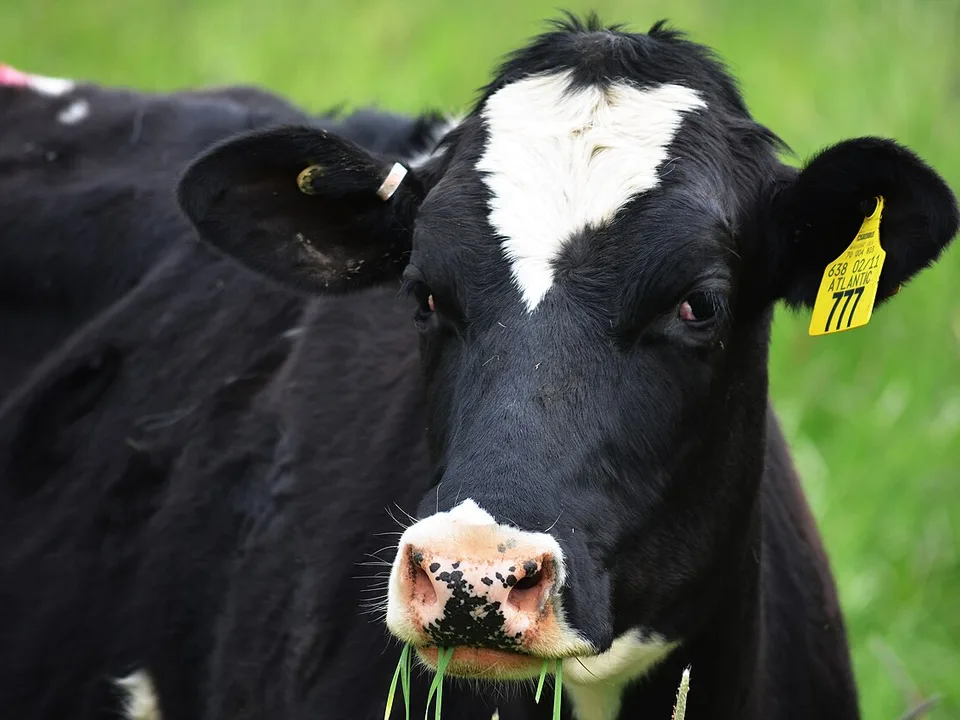
- Alert and aware: head up, ears moving towards sounds, eyes following you as you approach, and a calm reaction to people she knows.
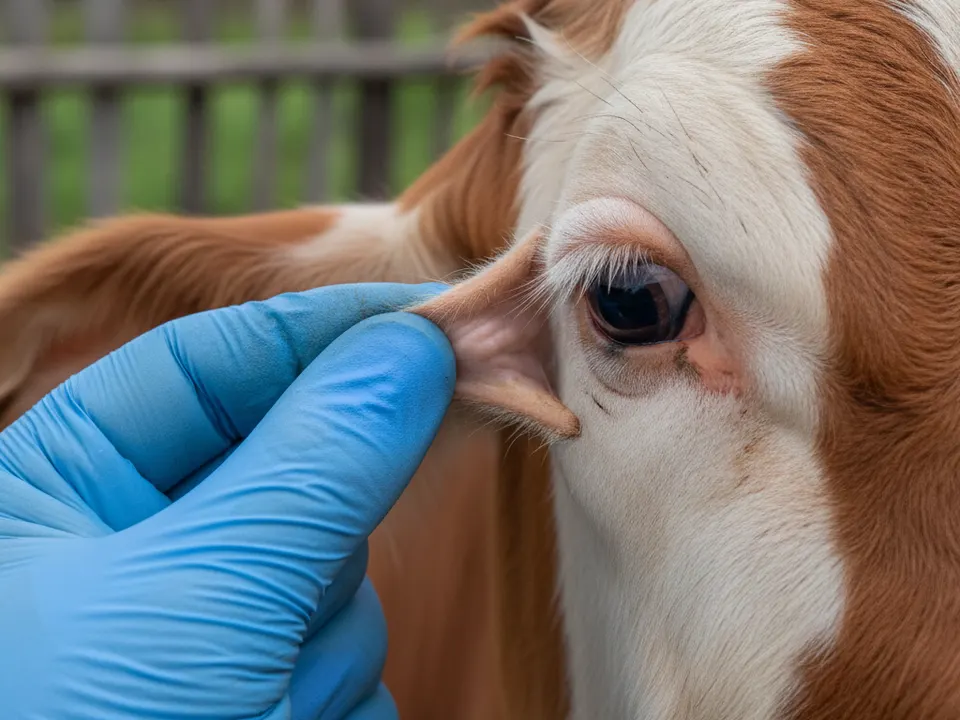
- Bright, clear eyes with no tears, crust or cloudiness. The white of the eye shows thin pink blood vessels, and the eyes are not sunken.
- A clean, moist nose with at most a little clear moisture. Cows lick their noses often, which is normal.
- A smooth, glossy coat that lies flat, with skin that is soft and moves freely over the ribs. A pinch of skin on the neck should spring back in about two seconds or less.
- A normal rectal temperature of about 38.0–39.5 °C in adults. Calves can sit slightly higher. Readings rise a little in the afternoon and in hot weather.
- A resting heart rate of roughly 48–84 beats per minute in adult cattle, and faster in calves. The breathing rate at rest is roughly 20–40 breaths per minute, counted by watching the flank rise and fall. It is higher in heat and after walking.
- Cud chewing: a healthy cow spends many hours a day ruminating, usually when lying down and relaxed. She gives roughly 40–70 steady chews per mouthful before swallowing. When you watch a group at rest, most should be chewing.
- Good appetite and drinking: she comes to the feeder when fresh feed arrives and drinks freely and often. A milking cow needs a great deal of water, especially in hot weather.
- Dung that is soft but formed. In dairy cows it should make a pile like thick porridge with rings and a small dip in the middle. It should not be watery, hard balls, or contain blood, mucus or a lot of undigested grain. Urine is clear to pale yellow.
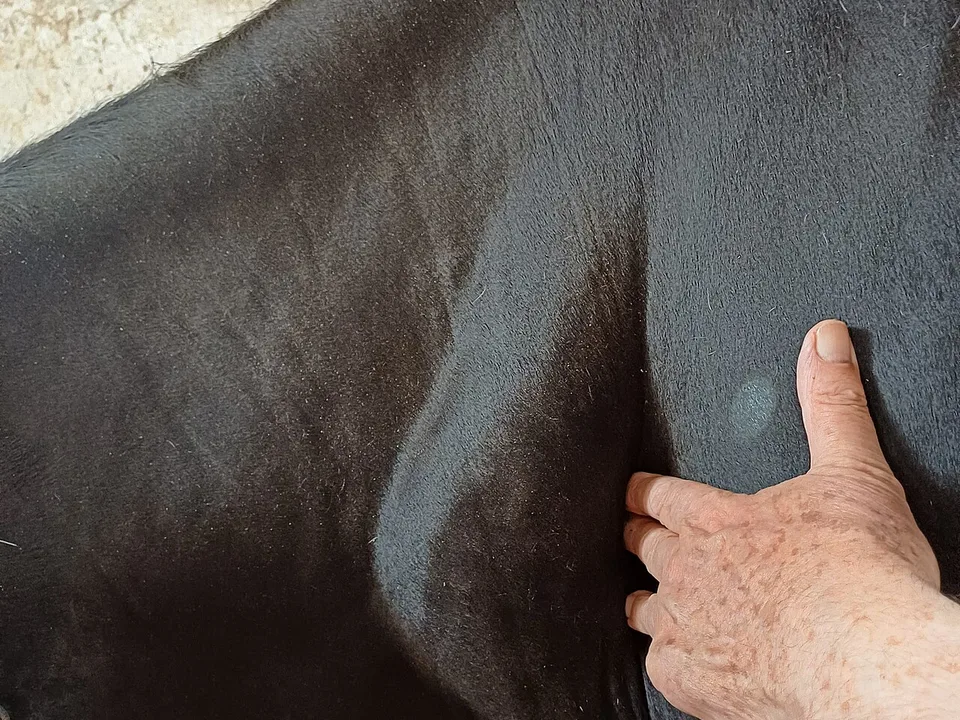
- The left side of the belly, the rumen area, is slightly filled but not tight or bulging, and steady rumen movements can be felt, about one to three a minute. She walks evenly on all four feet, lies down and gets up easily, and has a soft, even udder and normal-looking milk.
First signs something is wrong
- Standing alone, away from the herd, with head low, ears drooping, or a dull, uninterested look.
- Off feed or eating much less, refusing dairy meal, or not coming to the feeder when others do.
- Few or no animals chewing cud at rest, or a single cow that has stopped ruminating.
- A temperature above about 39.5 °C in an adult, especially above 40 °C, or a temperature below about 38 °C. A low reading can be just as serious, for example in milk fever or shock.
- Fast, heavy or noisy breathing at rest, breathing with an open mouth, coughing, or a thick yellow or green nose discharge.
- A sudden drop in milk yield, or clots, watery milk, blood in the milk, or a hot, hard or painful quarter of the udder.
- A swollen left flank (possible bloat), a tucked-up belly, kicking at the belly, or grinding the teeth, which is often a sign of pain.
- Watery, bloody, very smelly or very hard dung, or no dung at all. Red or dark brown urine is another warning sign.
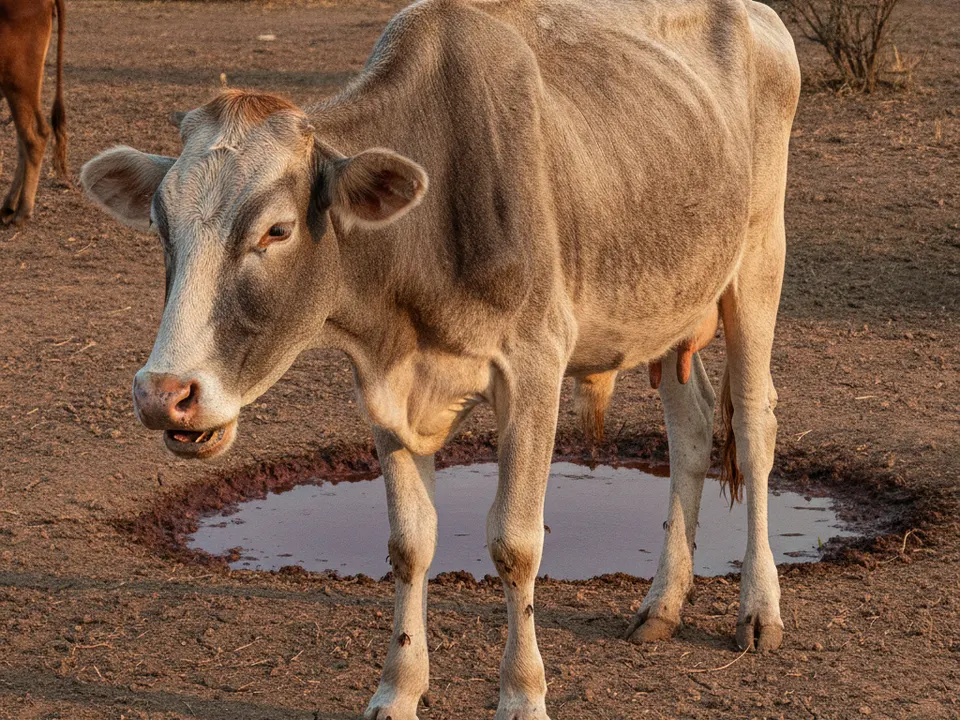
- Lameness, swollen joints or feet, swollen lymph nodes (the glands under the ear, in front of the shoulder or above the udder), skin lumps, ticks clustered in the ears, tail or udder, sunken eyes, or a skin pinch that stays up.
Daily routine
- Learn each animal's normal behaviour. Do a short check every morning and evening, and do the first check before feeding so you can see who comes eagerly to the feeder.
- Buy and keep a digital thermometer, petroleum jelly, a torch, gloves, disinfectant, a notebook and the phone numbers of your vet and County Veterinary Officer in one clean box.
- Take and record the temperature of any animal that seems different, and take a few readings from healthy animals too, so you know your herd's normal range.
- If an animal looks unwell, separate her into a clean, shaded, dry pen. Give her clean water and good roughage, and keep her calm.
- Do not give antibiotics, dewormers or other drugs on guesswork. Wrong or incomplete treatment wastes money, can hide the real problem, and adds to antimicrobial resistance, which is when germs stop responding to drugs.
- Call your vet early and describe what you see: temperature, appetite, cud chewing, dung, milk and how long it has been going on. Do not move sick animals to market or to other farms.
- Wear gloves and wash your hands with soap after handling sick animals, discharges, afterbirths or aborted calves, and keep milk from a sick cow separate until the vet advises.
Common risks
- Sudden changes in feed, such as a switch from dry hay to lush wet-season grass or a big increase in dairy meal, upset the rumen microbes and can lead to bloat, acidosis (too much acid in the rumen) or diarrhoea.
- Ticks, biting flies and tsetse carry serious diseases such as East Coast Fever, anaplasmosis (gall sickness), babesiosis (redwater) and trypanosomiasis. Poor tick control is one of the most common ways a healthy herd becomes sick in East Africa.
- New animals bought from markets or neighbours can bring in diseases such as foot-and-mouth disease, lumpy skin disease, brucellosis and ticks. This is why new stock should be kept apart for a few weeks first.
- Dirty or shared water points, communal dips and grazing areas allow worms, germs and ticks to pass between herds, especially in pastoral and communal grazing systems.
- Mouldy feed, such as damp maize, poorly stored dairy meal or spoiled silage, can contain mycotoxins. These are poisons made by moulds that lower appetite, immunity and milk yield, and some can pass into milk.
- Heat stress during the hottest months, especially for exotic breeds like Friesians with no shade, reduces feeding and milk and weakens the body's defences.
- Wet, muddy or dirty zero-grazing units raise the risk of mastitis (udder infection), foot rot and calf diarrhoea.
- Mineral shortages, especially of phosphorus and salt, are common on many Kenyan soils. They show up as poor growth, chewing bones or soil, weak fertility and lower milk.
Often mistaken for illness
Normal panting in hot weather
On hot afternoons cattle, especially Friesians, breathe faster and may seek shade or stand near water. This is a normal cooling response. If the cow eats, chews cud and her rectal temperature returns to normal once she is cool in the evening, it is heat load, not illness. A cow that pants in the cool morning, refuses feed, or has a high temperature in the shade needs a vet.
Being on heat (oestrus)
A cow on heat may be restless, bellow, mount others or stand to be mounted. She may eat less, drop a little milk for a day and have clear, stretchy mucus from the vulva. This lasts about a day and her temperature stays normal. Note the date for breeding. Cloudy, yellow or smelly discharge, fever or illness lasting longer than a day is not heat.
Normal discharge after calving
For the first two to three weeks after calving, a cow normally passes reddish-brown, odourless discharge as the womb cleans itself. If the discharge smells bad, is grey or pus-like, continues beyond about three weeks, or she has a fever and is off feed, call the vet. That points to a womb infection.
Looser dung on fresh, lush grass
When the rains come and animals move onto young green grass, dung often becomes softer for a few days while the rumen adjusts. The cow stays bright, eats well and has a normal temperature. Watery dung with blood or mucus, a dull animal, fever, or diarrhoea spreading through calves is not normal and needs a vet.
Doing a health check
This is a home health check you can do yourself, and it tells you when to call the vet. Do it calmly and at the same time each day, for example at morning and evening milking or feeding. First, watch from a distance for two or three minutes before touching anything. Who is standing alone? Who is not eating or chewing the cud? Count the breaths by watching the right flank rise and fall for 30 seconds, then double the number. Look at the eyes, nose, coat, dung and urine, and how each animal walks. Next, take the temperature with a digital thermometer from an agrovet. Restrain the cow safely in a crush or by tying her head. Stand to the side of her back leg, never directly behind. Lift the tail, apply a little petroleum jelly or soapy water to the tip, and gently insert it into the rectum. Tilt it so the tip touches the rectal wall, not a ball of dung. Hold it until it beeps, then read and record the result. Clean and disinfect the thermometer after every animal so you do not spread disease. To check heart rate, you can feel the pulse under the base of the tail, in the middle groove, or listen with a stethoscope on the left chest just behind the elbow. Count for 15 seconds and multiply by four. To check the rumen, press a closed fist firmly into the hollow of the left flank and wait. You should feel a slow roll or push one to three times a minute. Pinch the skin on the neck to check for dehydration; it should flatten quickly. Check the udder and milk at milking, and strip the first squirts onto a dark cup to look for clots. Score body condition on the common 1–5 scale by feeling the ribs, spine and pin bones. Very thin or very fat both signal a problem. Keep a simple notebook or phone record for each animal, including temperature, milk yield, appetite, dung, heat dates, treatments and vaccinations. When you call the vet, these records, plus a note of when you first noticed the change, help the vet work out the problem quickly.
Routine vet care
Healthy herds still need a vet, but for prevention rather than emergencies. A good plan, made with your vet or County Veterinary Officer, usually includes several parts. The first is vaccination against the main diseases in your area. In Kenya this commonly covers foot-and-mouth disease, lumpy skin disease, anthrax and blackquarter, and brucellosis for young heifers where recommended. In some areas the plan also includes East Coast Fever immunisation by the infection-and-treatment method, which only trained, authorised people can do, and rabies, plus CBPP or other campaigns in pastoral zones. Schedules vary by county and risk, so follow local advice. Other parts of the plan are a tick-control programme, using the right acaricide (tick-killing chemical) at the right interval and strength, and a deworming plan based on age, season and, ideally, dung tests rather than routine guessing. Calves and in-calf cows need the most attention. The vet also handles pregnancy checks, breeding and artificial insemination advice, and hoof trimming and foot care. Mastitis screening, for example with the California Mastitis Test, is another part, along with castration, dehorning and disbudding done properly with pain control, and advice on feeding, minerals and body condition. Any medicine the vet uses has a withdrawal period. This is the time after treatment when milk or meat must not be sold or eaten because drug residues may remain. Always ask the vet for the withdrawal period and keep to it. Use antibiotics only when a vet has diagnosed a bacterial infection, and always finish the course as prescribed.
How Agrikima products can help
These support the animal alongside — never instead of — your vet's treatment, vaccination and good management.

DCP-18
A source of calcium and phosphorus that, when mixed into the ration as advised, helps prevent the mineral shortages common on many Kenyan soils. This supports strong bones, growth, fertility and milk production as part of a balanced diet.
View product
AGRITOXINILSTOP
A mycotoxin binder that can be added to dairy meal or home-mixed concentrates to help reduce the effect of aflatoxin and ochratoxin from imperfectly stored feed. It works alongside, never instead of, keeping feed dry and throwing away visibly mouldy feed.
View productKeeping them healthy
- Feed a balanced diet with plenty of long fibre such as napier, hay, maize stover or Rhodes grass, plus energy and protein suited to the animal's stage and milk yield. Make any change in feed slowly over one to two weeks.
- Provide unlimited clean, fresh water close to the feeding area, and clean troughs regularly. Milking cows drink far more than many farmers expect, especially in the dry season and in heat.
- Give a good mineral supplement and salt all year. Many Kenyan soils are short of phosphorus, and shortages harm fertility, growth and milk yield.
- Store feed dry, off the floor and away from leaking roofs. Do not feed mouldy maize, hay, dairy meal or silage, because mould poisons reduce appetite, immunity and milk.
- Follow a vaccination calendar agreed with your vet, keep records, and make sure every calf gets enough colostrum within the first few hours of life.
- Control ticks and worms on a planned schedule, check ears, tail, udder and between the legs for ticks, and ask the vet about acaricide resistance if ticks keep surviving.
- Keep housing dry, clean and well ventilated. Scrape dung daily, provide soft bedding, give enough feeder space and shade, and clean teats and hands before milking.
- Quarantine new or returning animals for about three to four weeks, buy from known sources with health records, and limit visitors, shared equipment and contact with other herds where you can.
Risk to people
A healthy-looking cow can still carry infections that affect people, such as brucellosis and bovine tuberculosis. Always boil or pasteurise milk before drinking it. Wash your hands with soap after handling animals, dung, afterbirths or aborted calves, and wear gloves when assisting calving. Respect withdrawal periods after any treatment so that drug residues do not reach your family or customers through milk and meat.
Impact on your farm
On a Kenyan smallholding, one cow is often a large part of the family's income. Missing the early signs of illness can quickly turn into lost milk, a dead calf, an expensive vet bill or a forced sale at a low price. Many costly problems start quietly: a slight fever, less cud chewing, a small drop in milk, or a cow that hangs back at the feeder. Mastitis, tick-borne diseases, milk fever, calf diarrhoea and poor fertility are much cheaper to deal with early. A daily health check costs nothing but a few minutes. It helps a farmer act early and spot repeated problems such as poor minerals or bad hygiene. It also gives the vet useful information, keeps calving intervals shorter and protects the herd's value when selling. Good records also help farmers get better prices and access to dairy cooperatives and buyers, who increasingly want proof of vaccination and drug-residue-free milk.
Long-term health
Cattle that are well fed, given clean water, vaccinated, protected from ticks and worms, and kept in clean, low-stress conditions usually stay productive for many lactations. When problems do arise, the outlook is usually best when the farmer notices the first small change, takes the temperature, isolates the animal and calls the vet promptly. Delays, guesswork treatment, poor nutrition and dirty housing all make recovery less likely and more costly. Learning what normal looks like in your own herd is one of the most valuable skills a farmer can build.
Common questions
How often should I take my cow's temperature?
You do not need to take every cow's temperature every day. Take it whenever an animal looks or behaves differently: eating less, not chewing cud, dropping milk, standing alone, or breathing fast. It is also worth checking daily in the days after calving, after buying a new animal, and during a disease outbreak nearby. Taking a few readings from healthy animals helps you learn what is normal on your farm. Readings are often slightly higher in the hot afternoon, so compare readings taken at similar times.
Is a dry nose a sign that my cow is sick?
Not on its own. A healthy cow's nose is usually moist because she licks it often, but it can look dry for a while when she has been lying in the sun or sleeping. A dry nose matters only when it comes with other signs, such as fever, poor appetite, no cud chewing, a crusty or cracked nose, or discharge. Always look at the whole animal and take the temperature rather than judging by the nose alone.
My cow lies down a lot. Is that a problem?
Healthy dairy cows spend many hours a day lying down, often around half the day. Lying comfortably and chewing cud is a very good sign, and it also helps milk production. Be worried if she cannot get up, struggles to rise, lies stretched flat on her side, lies with her head tucked into her flank, or refuses to rise when others get up to feed. Lying down shortly after calving with cold ears and a wobbly walk can mean milk fever, which is an emergency.
How do I know my cattle are drinking enough water?
Watch the trough. Healthy cattle drink several times a day, especially after milking and feeding. Dung should be soft and formed, urine pale, the eyes not sunken, and a skin pinch on the neck should flatten quickly. Hard, dry dung, dark urine, sunken eyes and falling milk can point to too little water. If water must be carried, give enough for the whole herd and refill often, especially in the dry season. Even a short shortage lowers milk yield.
When should I call the vet instead of waiting?
Call quickly if a cow has a temperature above about 40 °C or below about 38 °C. Also call if she has stopped eating and chewing cud, has a swollen left side, is breathing hard at rest, or is straining to calve for a long time without progress. Other reasons to call are red urine, bloody diarrhoea, sudden lameness in several animals, or blisters in the mouth or on the feet. Sudden deaths, or several animals getting sick at once, also need a vet straight away. With any sudden death, do not open the carcass; call the vet, because some diseases, like anthrax, are dangerous to people. When in doubt, a phone call to your vet costs little and can save the animal.
What should I keep at home to check my cattle's health?
A digital thermometer and petroleum jelly are the most useful tools. Add a torch for checking eyes and the mouth, disposable gloves, soap, disinfectant and clean cloths, and a dark strip cup or plate for checking milk. A notebook or phone app for records completes the kit, along with your vet's and County Veterinary Officer's contacts. A weigh band from an agrovet helps you track growth and condition. Keep medicines only as advised by your vet, store them properly, and record every treatment with its withdrawal period.
A guide, not a diagnosis. This page is general information to help you recognise problems early. Always confirm with a vet or animal health worker before treating.