What it is
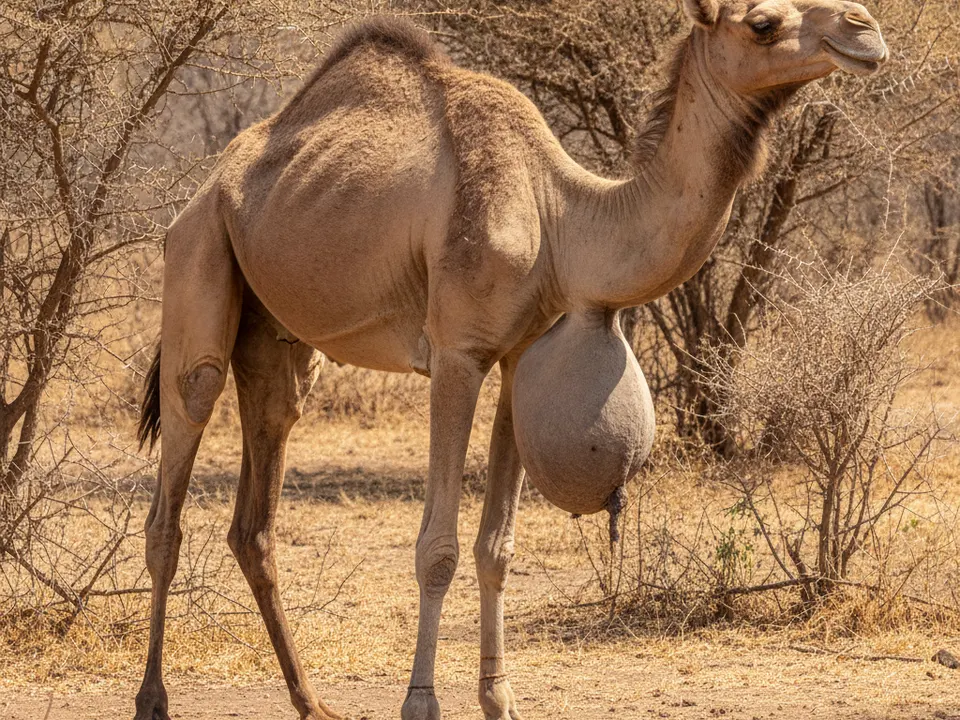
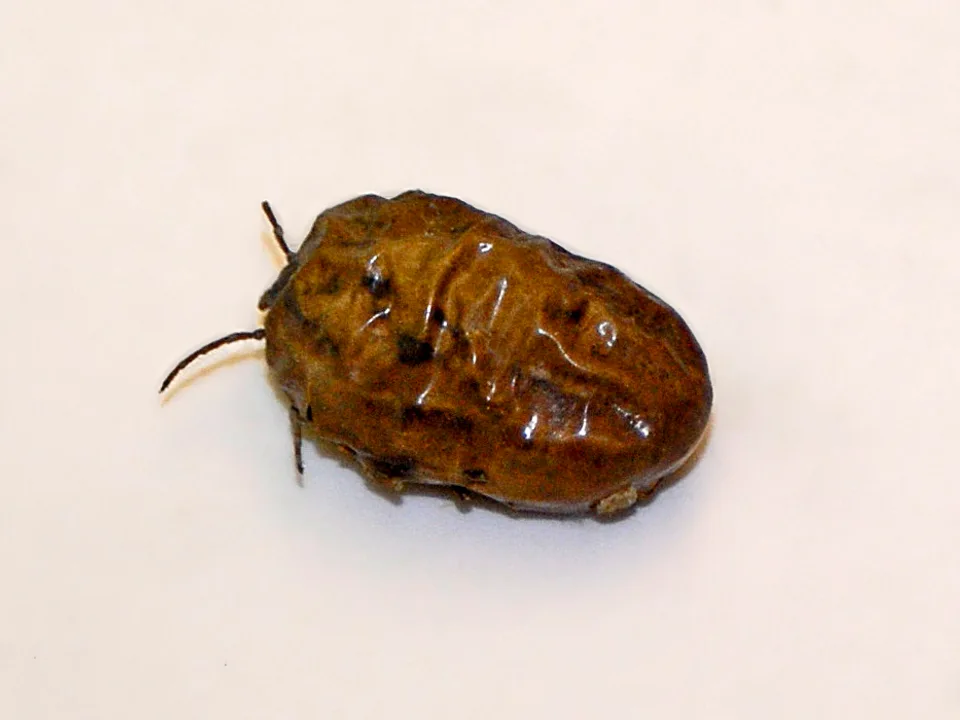
Ticks are eight-legged blood-sucking parasites related to spiders. The main camel tick in East Africa is Hyalomma dromedarii. Other Hyalomma species, along with Amblyomma (bont ticks, with colourful shields) and Rhipicephalus species, also feed on camels. Hyalomma ticks have long mouthparts that cut deep into the skin. Each tick feeds for several days, swelling up with blood before dropping off to lay thousands of eggs on the ground, in boma walls or in resting places. When dozens or hundreds of ticks feed at once, the camel loses blood and can become anaemic (short of red blood cells), which shows as weakness and pale gums. The deep bites cause pain, swelling and wounds. On the teats, bites and the swelling that follows can block the teat canal, damage the teat end and let bacteria into the udder, causing mastitis and sometimes permanent loss of a quarter, known as a blind teat. Wounds can become infected, form abscesses, or attract flies that lay eggs in them. Ticks also inject saliva that can carry germs, including Anaplasma and other blood parasites, Coxiella (the cause of Q fever) and the virus that causes Crimean-Congo haemorrhagic fever in people.
Which animals are most at risk
All camels can carry ticks, but lactating she-camels suffer most because ticks cluster on the udder and teats, directly threatening milk supply and calf feeding. Young calves, old camels, and animals already weakened by poor feeding, worms, trypanosomiasis (surra) or recent illness cope worst with blood loss. Herds in northern and eastern Kenya, such as Marsabit, Wajir, Mandera, Garissa, Isiolo, Samburu, Turkana and Laikipia, live where camel ticks are common. Tick numbers often rise during and after the long and short rains when vegetation is lush, but Hyalomma ticks tolerate heat and dryness well and can remain a problem in the dry season too; patterns vary by area. Herds kept in the same boma for long periods, herds that share watering points, and herds where tick checks are not routine carry the heaviest burdens.
Signs to look for
Early signs
- A few to several ticks attached under the tail, around the anus and vulva, on the udder, teats, inner thighs, armpits, belly or brisket.
- The camel rubs its hindquarters against trees or fences, kicks at its belly or swishes its tail more than usual.
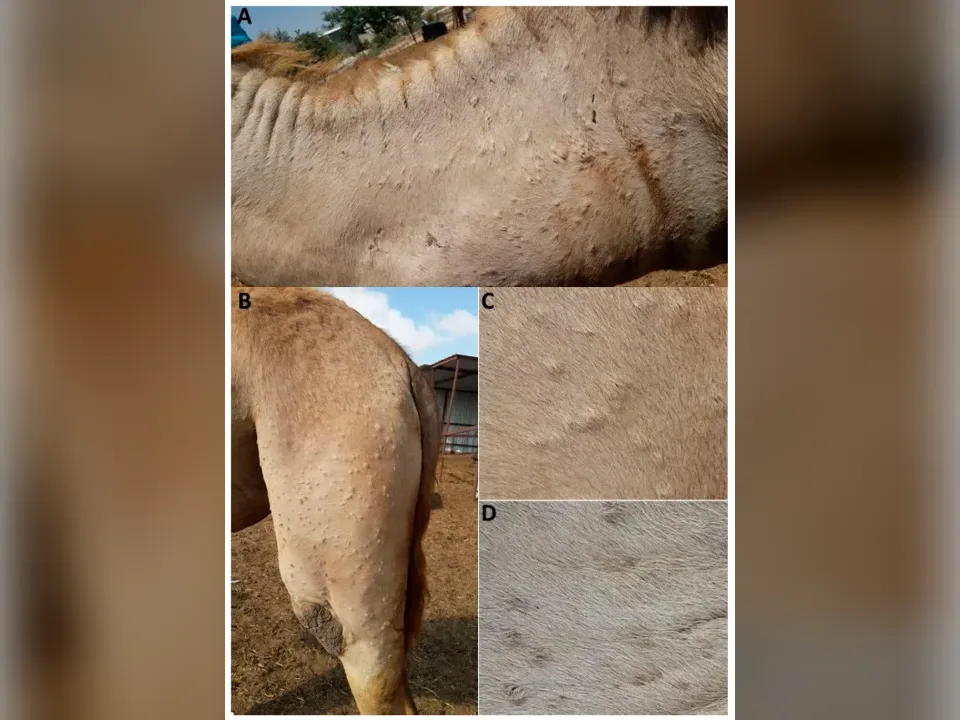
- Small raised, tender bumps or scabs where ticks have been attached and dropped off.
- Slight swelling or redness of the teats, and the camel may resist milking or kick when the udder is touched.
- Calves may be pushed away at suckling because the teats are sore.
As it gets worse
- Dense clusters of large engorged ticks, some the size of a bean or larger, crowded on the udder, teats and perineum.
- Swollen, hot, hard quarters with clots, flakes, watery or bloody milk, showing mastitis.
- Teats with deep cracks, scabs, abscesses or a teat that gives no milk at all (blind quarter).
- Pale pink or whitish gums and inner eyelids, weakness, lagging behind the herd and loss of body condition from blood loss.
- Infected wounds with pus, a bad smell or fly maggots in them.
- Fever, dullness, reduced feeding, drop in milk yield, or abortion, which may point to a tick-borne infection and needs a vet urgently.
What to do right now
- Restrain the camel calmly and inspect every animal in the herd, paying close attention to the udder, teats, perineum, under the tail and between the legs.
- Wear gloves or use a cloth or tweezers if you remove ticks by hand, and never crush ticks with fingers, nails or teeth because their contents can infect people.
- When removing a tick, grip it close to the skin and pull steadily straight out rather than twisting or tearing, because Hyalomma mouthparts left in the skin cause abscesses.
- Drop removed ticks into a container with spirit or burn them, instead of throwing them on the ground where engorged females will lay eggs.
- Do not apply used engine oil, paraffin, battery acid or other harsh home remedies to the udder, as they burn the skin, contaminate the milk and can poison the camel.
- Milk sore or swollen quarters gently and completely, keep the udder clean, and separate milk from quarters with clots, blood or watery milk so it is not drunk or sold.
- Give plenty of clean water, shade and good browse, and keep weak or pale camels from long treks until they are assessed.
- Record which camels are affected, milk yield changes and any fever or dullness, then call your vet or animal health officer before using any acaricide or medicine.
How it spreads
- Camels pick up ticks while grazing and browsing in bush and grassland where young ticks wait on vegetation for a passing host.
- Hyalomma dromedarii often lives where camels rest, hiding in cracks of boma walls, thorn fences, dung and soil, so camels kept in the same night enclosure for a long time are reinfested again and again.
- Mixing with other herds at watering points, markets and shared grazing brings in ticks from other animals, including cattle, goats and wildlife.
- Buying or borrowing camels without checking and treating them first introduces new ticks and the diseases they carry onto the farm.
- Moving herds into new grazing areas during migration or drought can expose camels to different tick species and heavier tick populations.
- Poor or irregular tick control, wrong products, weak dilutions or treating only some animals allows ticks to survive, breed and build up resistance to acaricides (tick-killing chemicals).
Could it be something else?
Mange (Sarcoptic mange, 'scabies')
Mange is caused by tiny mites you cannot see. The camel itches intensely, with hair loss, thick crusty or wrinkled skin often starting on the head, neck, flanks and inner legs. You will not find large attached ticks; a vet confirms mange with a skin scraping.
Trypanosomiasis (surra)
Surra, spread by biting flies, also causes anaemia, weakness and weight loss, sometimes with swelling under the belly and abortion. Anaemia with few ticks on the body suggests surra or worms rather than ticks. A vet confirms it with a blood test.
Camel keds (Hippobosca flies)
Keds are flat, brownish flies that crawl quickly through the hair around the tail and belly and can fly off. Ticks are round, firmly attached, and do not move away when touched.
Mastitis from other causes
Udder infection can follow poor milking hygiene, injury or calf bites without ticks. If the udder is hot and milk is abnormal but there are no ticks or bite wounds on the teats, other causes are likely, though ticks may still have been involved earlier.
How it is diagnosed
Diagnosing the infestation itself is simple: a careful look at the udder, teats, perineum, under the tail, inner thighs, armpits, ears and belly. The vet will judge how heavy the burden is and look for damage: teat wounds, abscesses, mastitis and signs of anaemia such as pale gums. To identify the tick species, which helps choose control methods and judge disease risk, the vet may collect ticks for a county veterinary laboratory or KALRO. A blood sample can measure anaemia (packed cell volume) and be checked for blood parasites such as Anaplasma or trypanosomes. For mastitis, the vet may do a California Mastitis Test at the camel side and send milk for culture to find which bacteria are involved and which antibiotics will work. You can prepare by penning the affected camels, noting which animals are worst, how long the problem has been building, any drop in milk, which tick products you have used before with dates and dilutions, and by collecting a few ticks in a small jar or bottle with spirit, without crushing them with bare hands.
Treatment
The vet will plan two things: killing the ticks now, and treating the damage they have caused. For the ticks, the main options are acaricides such as synthetic pyrethroids (for example deltamethrin, cypermethrin or flumethrin as sprays or pour-ons), amitraz, or organophosphates, and sometimes macrocyclic lactones such as ivermectin, which have only a partial effect on ticks. Many of these products are made for cattle and are not specifically licensed for camels, and camels can react badly to some chemicals or wrong dilutions, so the vet must choose the product, method and interval. Hand-spraying or applying the product carefully to the udder, perineum and legs is often needed because these hidden areas are where ticks hide. The vet may also advise treating the boma and resting places. Damaged teats and wounds are cleaned and may be dressed. Mastitis is treated according to the vet's examination and, ideally, milk culture, sometimes with intramammary tubes (inserted into the teat) or injectable antibiotics. Antibiotics must only be used when the vet prescribes them and the full course must be completed, because misuse breeds resistant bacteria (antimicrobial resistance) that threaten both animal and human health. Anaemic camels need rest, good feeding and checks for worms and trypanosomes, and very severe cases may need extra supportive care. Every acaricide and antibiotic has a milk and meat withdrawal period, the time during which milk and meat must not be used. For camels these periods are often not well established, so the vet will advise a safe, usually cautious, withdrawal time. Expect ticks to die within days of correct treatment, but new ticks will keep arriving, so repeat treatment on a schedule is usually needed. Teat damage and mastitis may take weeks to settle and some quarters may not recover.
Medicines must be prescribed and dosed by a vet. Always respect milk and meat withdrawal periods, and finish the full course of any antibiotic.
Prevention
- Check camels at least weekly, and more often during and after the rains, especially the udder, teats, perineum, under the tail, inner thighs and armpits, and remove or treat ticks early before burdens build up.
- Work with your vet or animal health officer on a strategic tick control plan using a camel-appropriate acaricide at the right dilution and interval, treating the whole herd, not just the worst animals.
- Follow product directions exactly: weak mixtures, skipped animals and frequent switching of products help ticks survive and become resistant.
- Clean bomas regularly, remove built-up dung and bedding, seal or treat cracks in walls where Hyalomma ticks hide, and move the night enclosure to a fresh site when practical.
- Quarantine new or returning camels for a period, inspect them closely and treat them before they join the herd.
- Limit contact with heavily infested herds at shared watering points and markets where possible, and inspect camels after such visits.
- Keep good milking hygiene: wash and dry hands and teats, milk completely, watch every quarter for clots or swelling, and deal with teat wounds quickly.
- Keep camels in good body condition with adequate browse, water and minerals, and control worms and trypanosomiasis so camels can better withstand blood loss from ticks.
Risk to people
Ticks on camels can carry germs that infect people. The most serious is Crimean-Congo haemorrhagic fever (CCHF), a viral disease spread mainly by Hyalomma ticks. Camels usually show no sign of this virus but can carry it and feed infected ticks. People can be infected by a tick bite, by crushing ticks with bare hands, or by contact with blood and tissues of infected animals at slaughter. Camel ticks can also carry Coxiella burnetii (Q fever) and rickettsia that cause tick-bite fever. To protect yourself: wear gloves when removing ticks, never crush them with fingers or teeth, wash hands with soap after handling camels, check your own body and clothes after herding, and seek medical care quickly if you get sudden fever, headache, muscle pain or unusual bleeding after a tick bite or handling livestock. Acaricides are poisons: wear gloves and protective clothing when mixing and applying them, keep them away from children, food and water, and do not drink or sell milk or meat before the withdrawal period your vet gives has passed.
Impact on your farm
For pastoral families, camel milk is food for children and a key source of cash, so ticks on the udder hit directly where it matters most. Sore teats lead to reduced milk let-down, refusal to be milked and poor calf feeding. Mastitis lowers milk yield and quality, milk must be discarded during treatment and withdrawal periods, and blind quarters can permanently reduce a she-camel's production for the rest of her life. Calves on damaged udders grow slowly or may need extra feeding. Anaemia and constant irritation reduce body condition, fertility and the camel's ability to walk long distances to water and grazing. Damaged hides lose value, and tick-borne infections can cause illness, abortion and occasionally deaths. Add the cost of acaricides, vet visits and labour, and repeated heavy tick burdens become an important drain on herd income.
Outlook and recovery
The outlook for tick infestation itself is good when it is caught early and treated correctly: ticks can be killed and burdens kept low with regular checks and a sound control plan. The outlook becomes more guarded once complications appear. Mild teat wounds usually heal, but deep damage, abscesses and chronic mastitis can leave a quarter permanently blind. Badly anaemic or thin camels recover more slowly and need good feeding and rest. Tick-borne infections can complicate recovery and need a vet's diagnosis. Because ticks keep returning from the environment and other herds, long-term success depends on steady, whole-herd prevention rather than one-off treatment.
Common questions
Can I use the same cattle dip or spray on my camels?
Some acaricides used on cattle are also used on camels, but camels can react differently and many products are not labelled for camels. The dilution, method and interval matter a lot. Ask your vet or animal health officer which product is suitable and how to apply it to the hidden areas like the udder and perineum. Never guess the strength.
Is it safe to drink milk from a camel I have just sprayed for ticks?
Not until the withdrawal period has passed. Acaricides can pass into milk, and camel milk is often drunk raw, especially by children. Withdrawal times for camels are often not well known, so follow your vet's advice, which is usually cautious, and discard or keep aside milk during that time.
Is hand-picking ticks a good idea?
Hand-picking is a long tradition in camel herds and helps, especially on the udder, but it must be done safely. Wear gloves, pull ticks straight out close to the skin, do not crush them, and destroy them in spirit or fire. On its own, hand-picking rarely keeps up with heavy infestations, so combine it with a vet-advised acaricide plan and boma cleaning.
Why do the ticks come back so quickly after I treat?
Treatment kills ticks on the camel but not the eggs and young ticks waiting in the boma walls, dung and grazing land. New ticks attach within days. Ticks may also be resistant if the same product has been used wrongly for years. Treat the whole herd on a regular schedule, clean and treat resting places, and ask your vet to check whether resistance is a problem.
Can ticks really make a teat stop giving milk?
Yes. Deep Hyalomma bites cause swelling and wounds on the teat. Bacteria can enter and cause mastitis, and scarring can block the teat canal so that quarter gives little or no milk. Early tick control and quick care of teat wounds and mastitis give the best chance of saving the quarter.
My camel is weak with pale gums but has few ticks. Is it still ticks?
Possibly not. Pale gums and weakness with only a few ticks point to other causes such as trypanosomiasis (surra), worms or a tick-borne blood parasite. Ask your vet for a blood test so the right cause is treated.
A guide, not a diagnosis. This page is general information to help you recognise problems early. Always confirm with a vet or animal health worker before treating.