What it is
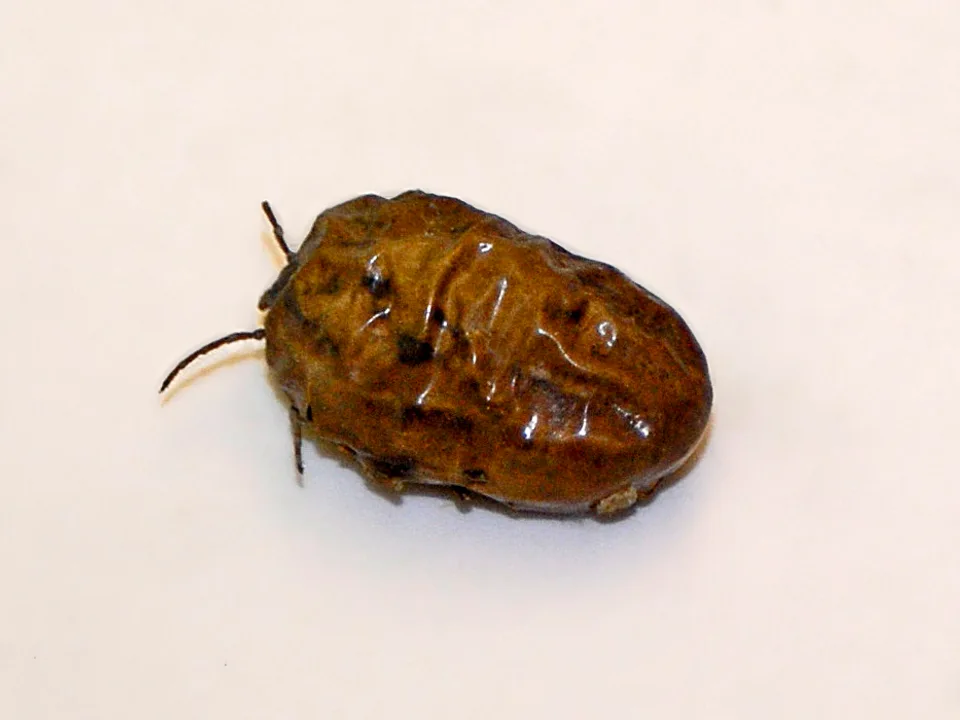
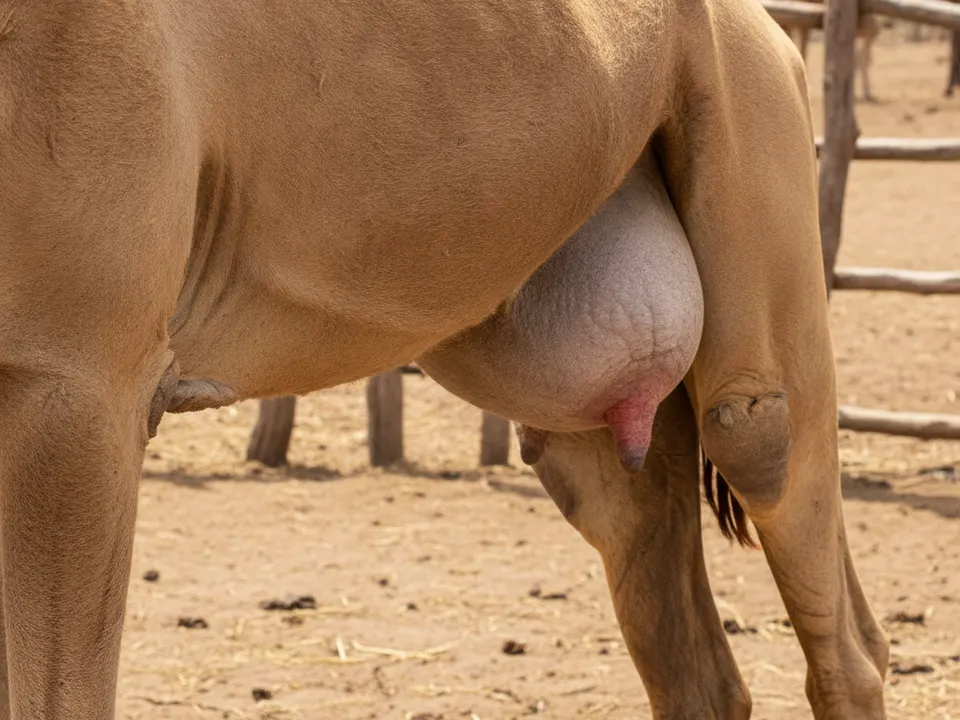
Mastitis is caused mainly by bacteria. The most common in camels include Staphylococcus aureus and other staphylococci, streptococci (including Streptococcus agalactiae), and gut bacteria such as E. coli that come from dung and dirty ground. A camel's teat is unusual: each teat has two or sometimes three small openings (streak canals) instead of one, which gives bacteria more ways in. Bacteria get into the teat through dirty hands, dirty milking containers, the calf's mouth, flies, or damaged teat skin. Once inside, they multiply in the milk-producing tissue. The camel's body sends white blood cells to fight them, which causes heat, swelling, pain and changes in the milk such as clots and flakes. If the infection is strong, the tissue is damaged, scar tissue forms and the quarter may permanently produce less milk or dry up completely (a 'blind' quarter). Some bacteria, especially E. coli, can release toxins that make the whole camel sick with fever and weakness. Ticks are a special problem in camels: the large Hyalomma ticks often attach on and around the udder and teats, and their bites cause wounds, swelling and teat damage that let bacteria in. Traditional anti-suckling methods, such as tying teats with string or covering the udder with tight cloth or thorn-stick devices to stop the calf suckling, can also injure teats and trap dirt and milk, which raises the risk.
Which animals are most at risk
Any lactating she-camel can get mastitis, but risk is highest in camels in early lactation, older camels that have had many calves, and camels with previous udder problems or damaged teats. Heavy-milking camels in peri-urban and commercial dairy herds, such as around Isiolo, Nanyuki, Garissa and Nairobi, are at high risk because they are milked often and by several people. In pastoral herds in Marsabit, Wajir, Mandera, Turkana, Samburu and Isiolo, risk rises where teats are tied, where tick loads are heavy, and where water for washing hands and containers is scarce. Wet seasons bring muddy bomas and more dung contamination, while dry seasons bring poor nutrition, weaker immunity and high tick numbers. Camels whose calves have died and are not milked out properly can also develop mastitis.
Signs to look for
Early signs
- Milk from one teat looks slightly different: a few small flakes, clots or a watery appearance, which you see best when you strip the first squirts onto a dark surface or cloth.
- One quarter feels a little firmer, warmer or slightly larger than the others when you compare them by hand.
- The camel is restless, kicks or moves away during milking, or refuses to let the calf suckle one particular teat.
- Milk yield from the camel drops a little without any other obvious reason.
- Small tick bites, cuts, cracks or swellings are seen on or near the teat openings.
- In subclinical mastitis there may be no visible sign at all, and only a test such as the California Mastitis Test shows a problem.
As it gets worse
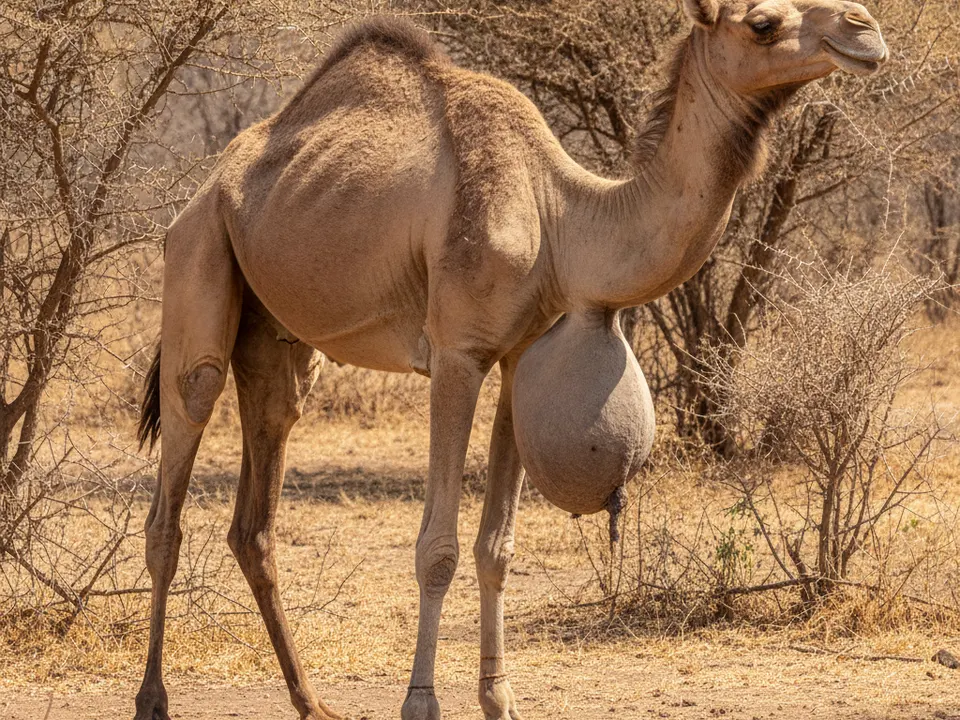
- One or more quarters are clearly swollen, hard, hot and painful to touch, and the skin may look tight or reddened.
- Milk becomes thick, yellow or brown, full of clots, very watery like whey, or tinged pink or red with blood.
- The milk may have a bad or sour smell.
- The camel has a fever, stops eating, stands apart from the herd, and may be weak or lie down more than usual.
- An abscess (a pocket of pus) may form in the udder, sometimes bursting through the skin.
- The quarter becomes shrunken and hard over time and gives little or no milk, a so-called blind quarter.
- In severe toxic cases the camel becomes very dull and dehydrated and can die without prompt treatment.
What to do right now
- Separate the affected camel from the milking line and milk her last, so your hands and containers do not carry infection to healthy camels.
- Wash your hands with soap and clean water before and after handling her udder, and use a separate container for milk from the sick quarter.
- Strip out the affected quarter gently and often if she tolerates it, because removing infected milk helps reduce pressure and the number of bacteria; do not squeeze roughly.
- Throw milk from infected quarters away safely by burying it or pouring it in a pit away from people, animals and water sources; do not drink it, sell it or feed it to calves or dogs.
- Remove any ticks you can see on the udder by hand with gloves, without crushing them, and keep the camel in a clean, dry, shaded place.
- Remove any teat-tying strings or tight anti-suckling devices from the affected camel so the teats can heal.
- Make sure she has easy access to clean drinking water and good browse or fodder, especially if she has a fever or is off feed.
- Write down the camel, the quarter, the date and the signs, then call your vet or County animal health officer; do not give antibiotics or other drugs unless a vet prescribes them.
How it spreads
- Dirty hands of the milker carry bacteria from one infected camel to the next, especially when the same person milks the whole herd without washing.
- Shared milking containers, cloths and towels that are not cleaned between camels spread bacteria, particularly Staphylococcus and Streptococcus.
- The calf suckles before and during milking to help milk let-down, and a calf can carry bacteria from an infected quarter or from its mouth to healthy teats.
- Tick bites and tick wounds on the teats and udder damage the skin and open the way for infection.
- Teat injuries from thorny browse, rough ground, tight teat-tying strings or anti-suckling devices allow bacteria into the teat.
- Dirty, wet or muddy resting areas, especially in bomas (night enclosures) during the long and short rains, expose the teats to dung bacteria when the camel lies down.
- Flies feeding on milk drops and teat wounds can carry bacteria between camels.
- Incomplete milking, where milk is left in the udder for long periods, gives bacteria a place to grow.
Could it be something else?
Udder or teat injury without infection
Bruising from thorns, kicks or tight teat-tying strings causes swelling where the injury is, but the milk usually stays normal and a mastitis test stays negative. If the milk changes or the camel gets a fever, infection has likely set in.
Tick infestation and tick abscesses
Heavy ticks on the udder cause small hard lumps and sores on the skin, but the inside of the quarter feels soft and milk is normal. Ticks often lead to mastitis, so check both the skin and the milk.
Udder swelling (oedema) near calving
Around calving the whole udder and the belly in front of it can be swollen and puffy, often evenly on all quarters, and pressing leaves a dent. It is not hot or painful and the milk is normal. Mastitis usually affects one quarter and changes the milk.
Camel pox
Camel pox causes raised spots and scabs on the lips, nose, head and sometimes the udder and teats, often in young camels and several animals at once. The milk inside may be normal unless bacteria invade the sores.
How it is diagnosed
A vet or animal health officer first examines the udder, feeling each quarter for heat, hardness and pain, and checks the teats for wounds, ticks and blocked openings. They strip milk from each quarter to look for clots, colour change or blood. The California Mastitis Test (CMT) is a simple, cheap cow-side test: milk from each quarter is mixed with a reagent in a paddle, and the mixture thickens if the milk has many white blood cells, showing hidden infection. It works in camels, though reading the results needs some experience because camel milk behaves a little differently from cow milk. For stubborn or repeated cases, or herd problems, the vet may take clean milk samples into sterile tubes and send them to a laboratory for culture, which identifies the bacteria, and a sensitivity test, which shows which antibiotics will work. Laboratories at county veterinary offices, universities and KALRO centres may offer this. To help, keep a record of which camel and which quarter is affected, when you first noticed it, how much milk she normally gives, any tick problems, and any drugs already given. Do not treat before samples are taken if you can avoid it, because drugs can make the lab test useless.
Treatment
Treatment depends on how severe the mastitis is and which bacteria are involved, and it must be decided and prescribed by a vet. For clinical mastitis, vets commonly use antibiotics, either as intramammary tubes placed into the teat (in camels each teat opening may need attention) or as injections when the camel is generally sick. Commonly used drug groups include penicillins, cloxacillin, cephalosporins, oxytetracycline and some combinations, chosen according to the likely bacteria and, ideally, lab sensitivity results. For a feverish or toxic camel the vet may add an anti-inflammatory painkiller such as flunixin or meloxicam, and fluids. Abscesses may need to be lanced and cleaned. Frequent stripping of the quarter is usually advised. Some badly damaged quarters will not recover and the vet may advise drying off that quarter or, for repeated cases, culling the camel. Every drug used has a milk withdrawal period, which is the time after treatment when milk must be thrown away because it contains drug residues, and many drugs also have a meat withdrawal period. Withdrawal periods for camels are often not on the label, so ask your vet, who usually advises an extended period. Use antibiotics responsibly: give the full course exactly as prescribed, never use leftover tubes or share them between animals without advice, and do not buy antibiotics to treat on guesswork. Misuse leads to antimicrobial resistance, where bacteria stop responding to drugs, which harms both animals and people.
Medicines must be prescribed and dosed by a vet. Always respect milk and meat withdrawal periods, and finish the full course of any antibiotic.
How Agrikima products can help
These support the animal alongside — never instead of — your vet's treatment, vaccination and good management.
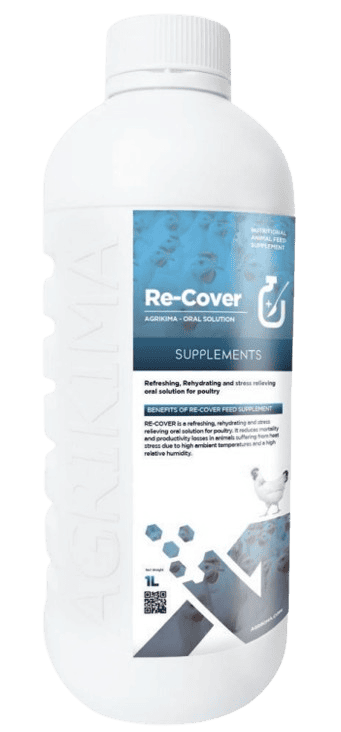
RE-COVER
An oral rehydration and heat-stress relief solution that can help a feverish camel that is drinking or eating less to stay hydrated and keep up her strength during recovery, used alongside vet treatment and not as a treatment for the udder infection itself.
View product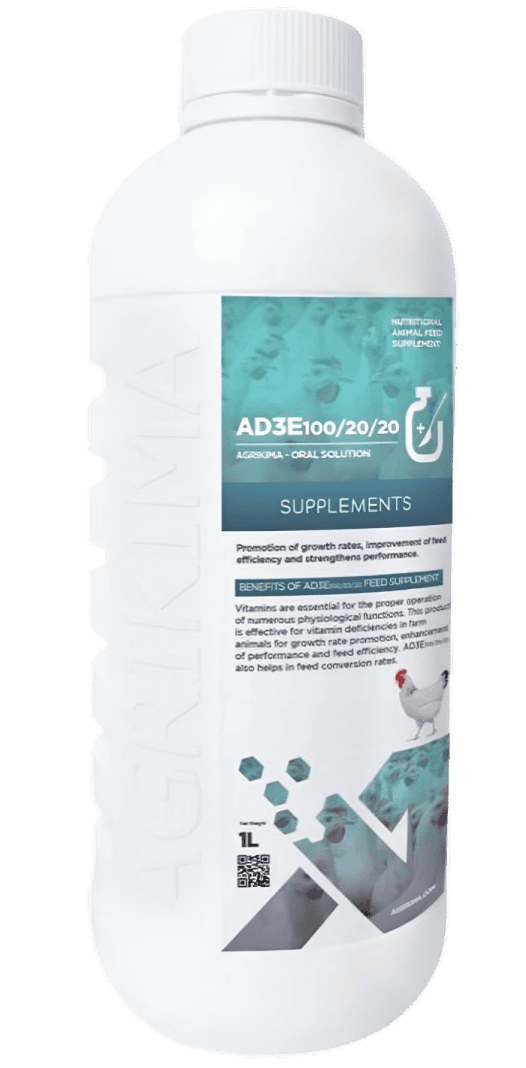
AD3E 100/20/20
A vitamin A, D3 and E supplement that can help correct vitamin shortages common in the dry season when green browse is scarce; vitamins A and E support healthy skin and teat lining and normal immune function, so it supports udder health as part of good nutrition, used as directed by your vet, and does not cure mastitis.
View productPrevention
- Wash hands with soap and clean water before milking, and between camels if possible; keep nails short and cover any cuts on your hands.
- Clean and dry the teats before milking with a clean cloth for each camel, or a single-use paper towel, and avoid sharing one wet cloth for the whole herd.
- Use clean, smooth containers such as food-grade aluminium or stainless steel cans that are easy to wash, and scald or wash them well after every milking; traditional woven or wooden containers are hard to clean.
- Dip or spray the teats with a vet-approved teat disinfectant after milking to kill bacteria at the teat openings.
- Milk out each camel fully and in a calm, gentle way, and milk known infected camels last.
- Control ticks regularly with an acaricide (tick-killing product) advised by your vet or agrovet, paying special attention to the udder, teats and the area between the hind legs.
- Avoid tying teats with string or using tight or thorny anti-suckling devices; if you must restrict suckling, use soft, clean, loose udder covers and check the teats daily for injury.
- Keep bomas clean and dry, remove dung regularly, and give camels clean resting ground, especially during the rains.
- Test camels with the California Mastitis Test regularly, for example monthly in dairy herds, to find hidden infections early.
- Feed well, give access to salt and minerals, and support vitamin intake in the dry season, because well-nourished camels resist infection better; cull camels with repeated mastitis or permanently damaged quarters.
Risk to people
Milk from camels with mastitis can contain large numbers of bacteria, including Staphylococcus aureus, which can produce toxins that cause food poisoning, and streptococci and E. coli that can make people ill. Camel milk is often drunk raw or fermented, which increases the risk. Raw camel milk can also carry other serious infections such as brucellosis, even from camels that look healthy. Boil or properly pasteurise camel milk before drinking, never drink or sell milk from infected quarters, and keep milk cool and covered. Milk from treated camels contains antibiotic residues that can cause allergic reactions in some people and encourage antimicrobial resistance, so always respect the milk withdrawal period advised by your vet. Wash your hands after handling infected udders and cover any cuts.
Impact on your farm
Mastitis is one of the biggest causes of lost camel milk in Kenya. Clinical cases mean milk must be thrown away during illness and treatment withdrawal, and a damaged quarter may never return to full production. Subclinical mastitis is often the larger hidden loss, because many camels quietly give less milk for months without the owner knowing why. Poor-quality milk with high bacteria spoils faster in hot conditions, fetches lower prices and can be rejected by milk traders, cooperatives and processors. Treatment and vet costs add up, calves may get less milk and grow slowly, and valuable milking camels may need to be culled early. For pastoral families who depend on camel milk for daily food, especially in the dry season, these losses directly affect household nutrition and income.
Outlook and recovery
Mild cases caught early, especially those found by regular testing, usually respond well to vet-guided treatment and good milking hygiene, and the quarter often returns to near-normal milk. Severe cases with fever, very hard quarters or abscesses take longer and may leave the quarter permanently damaged or dry. Infections with some Staphylococcus aureus strains can be stubborn and come back, even after treatment. Recovery is more likely when the right drug is chosen, the full course is completed, ticks and teat injuries are controlled, and milking hygiene improves. Camels with repeated mastitis in the same quarters seldom become fully productive again and are often best culled.
Common questions
Can I still drink milk from the healthy quarters of a camel with mastitis?
If the camel is not being treated with drugs and only one quarter is affected, milk from the healthy quarters can usually be used after boiling, as long as you milk the infected quarter last into a separate container. Once the camel is given antibiotics, especially by injection, all her milk may contain residues, so follow your vet's advice on the withdrawal period before using any milk.
My camel's milk looks normal but her yield has dropped. Could it be mastitis?
Yes. Subclinical mastitis often shows no visible change in the milk or udder, only a drop in yield. Ask your vet or animal health officer to do a California Mastitis Test on each quarter. It is quick and cheap, and it shows hidden infection so you can act before it becomes serious.
Is it safe to tie the teats to stop the calf suckling?
Tying teats with string or using tight or thorny devices is a common practice, but it often damages the teats, traps dirt and milk, and increases mastitis. If you need to limit suckling, use a soft, clean, loose udder cover, remove it regularly, and check the teats every day for cuts or swelling.
Can I buy a mastitis tube from the agrovet and treat my camel myself?
It is better to have a vet or animal health officer examine the camel first. Many mastitis tubes are made for cows, camel teats have more than one opening, and the wrong drug or poor technique can push dirt into the teat or fail to clear the infection. A vet can choose the right treatment, show you how to give it hygienically, and tell you how long to throw away the milk.
Why do ticks matter so much for udder health in camels?
Large ticks often attach on the udder and teats, and their bites cause sores, swelling and damage to the teat openings. Bacteria then enter easily and cause mastitis. Regular tick control, with special attention to the udder area, is one of the most useful ways to prevent mastitis in camel herds.
Should I let the calf suckle the infected quarter to empty it?
It is better not to. The calf can spread bacteria to other teats and to other camels, and the milk is poor for the calf. Strip that quarter by hand into a separate container instead, and let the calf suckle only the healthy quarters while the camel is being treated.
A guide, not a diagnosis. This page is general information to help you recognise problems early. Always confirm with a vet or animal health worker before treating.